
Your story deserves a pilot that gets you funded.
A specialist anime pilot production studio producing frame-by-frame pilots for independent creators, IP owners, and crowdfunding campaigns. Series pilots, OVA-style pilots, crowdfunding proofs of concept, and festival entries. Four formats. Full IP ownership on delivery.
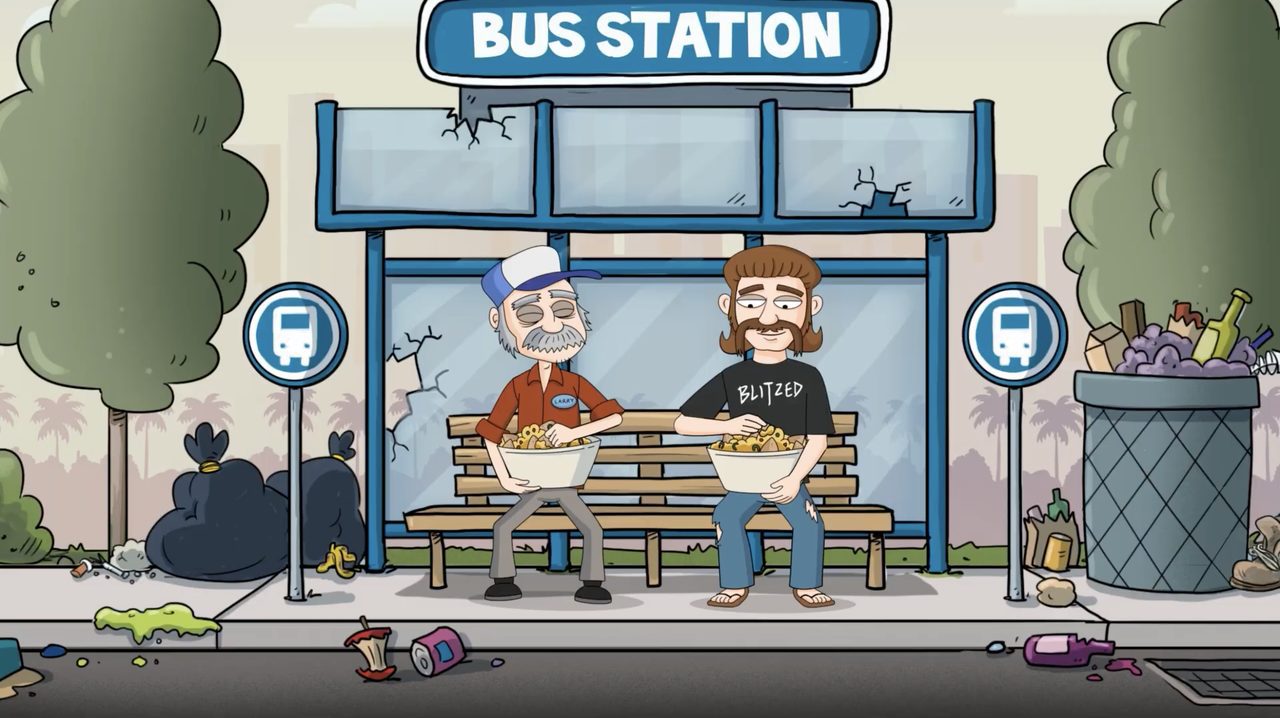
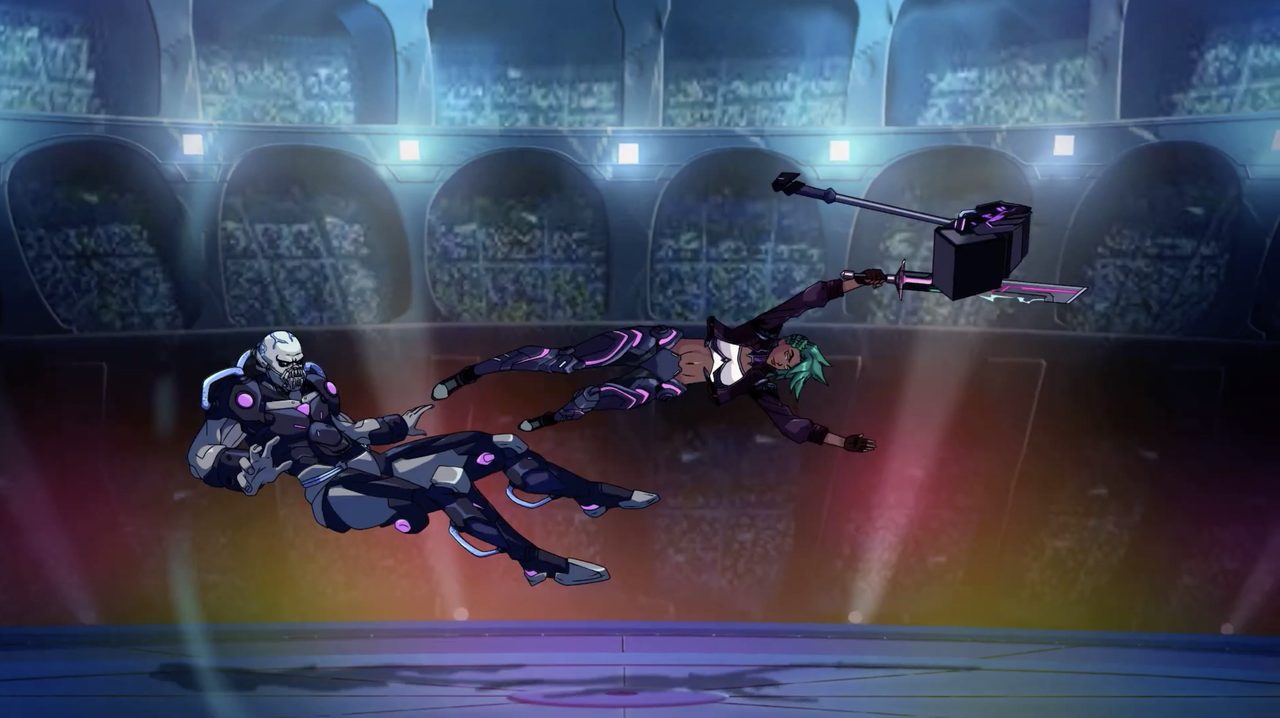
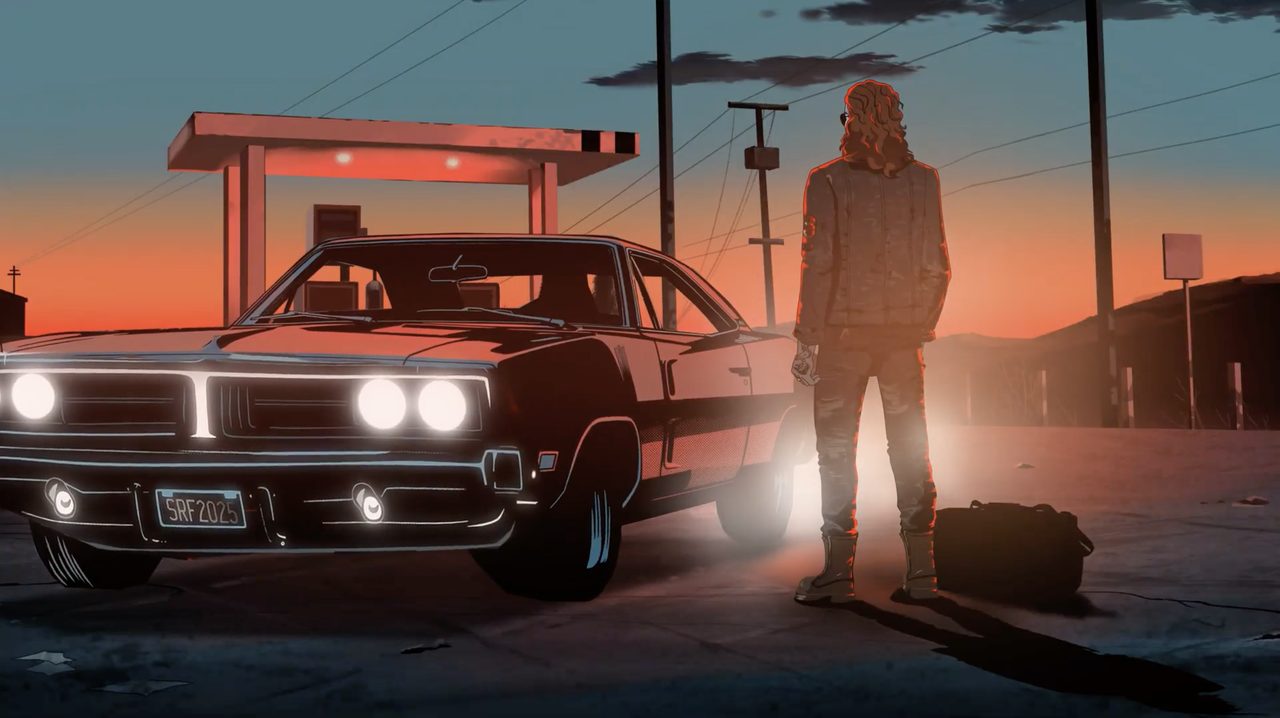
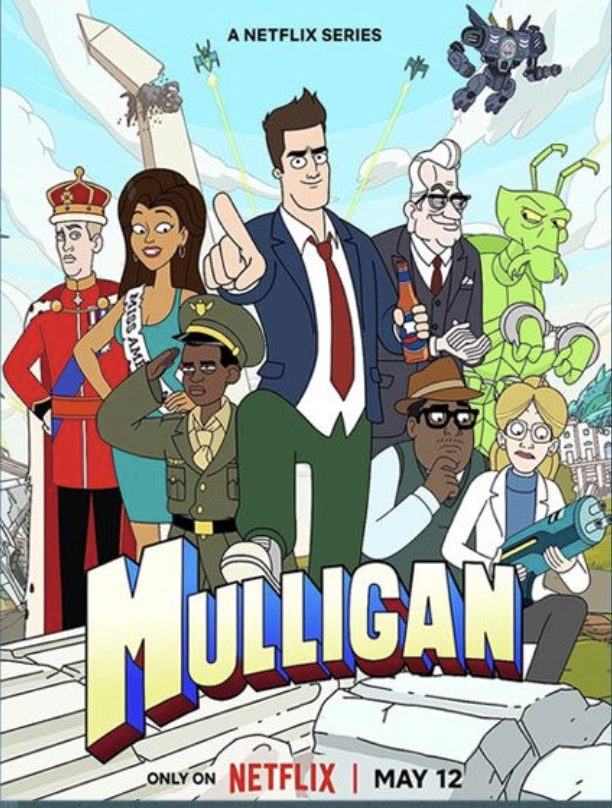
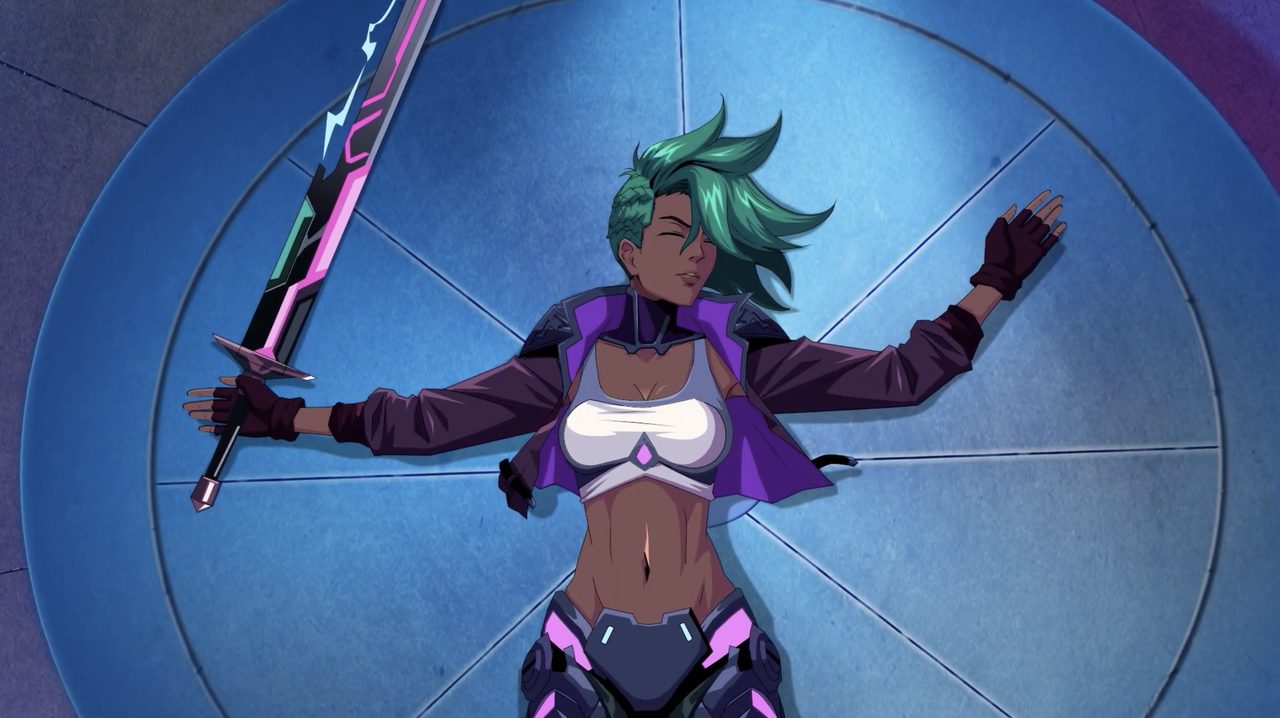
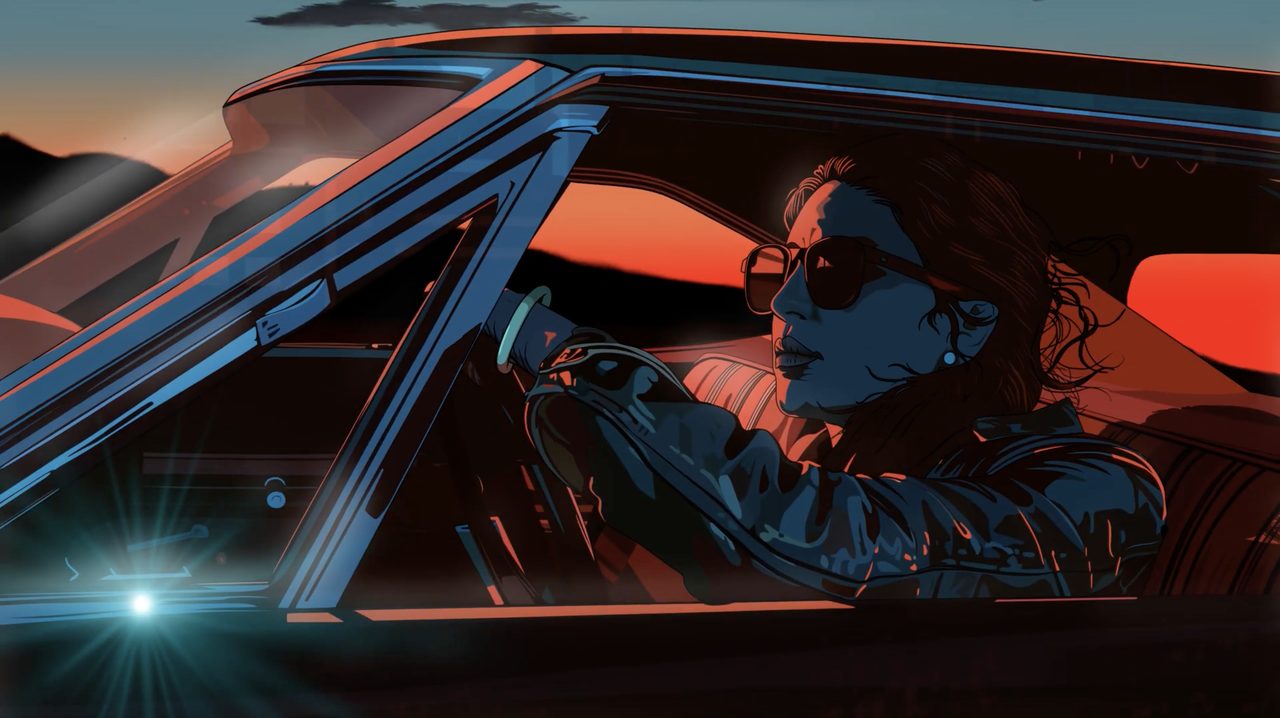
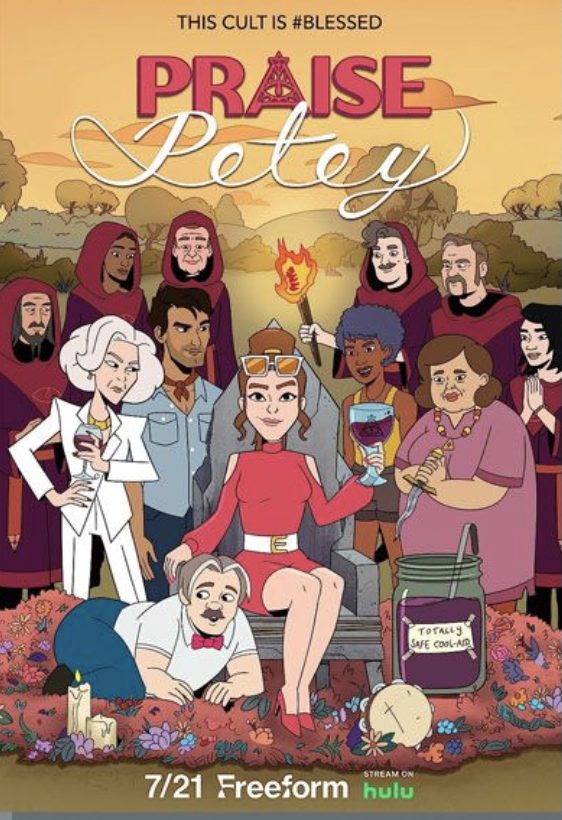
beautifully.
All animation. One studio.
beautifully.
All animation. One studio.
Watch our anime animation studio work.
Frame-by-frame anime animation, motion manga PVs, and character animation produced at Magic Motion Studio. Every project hand-drawn. No AI. No shortcuts.
The proof of concept that turns your series into a fundable reality.
Anime pilot production is the process of producing a single finished anime episode or short segment used as a proof of concept for a series: to pitch to streaming platforms, secure investor or publisher backing, launch a crowdfunding campaign, or self-distribute as a web anime premiere. A completed anime pilot demonstrates visual quality, animation style, character design, and narrative tone in a form that platforms, distributors, and backers can evaluate before committing to full series production.
Anime pilot production serves a fundamentally different purpose from a trailer, promo video, or animated short. A trailer shows edited highlights. A promo video sells a concept. An anime pilot demonstrates execution. It proves that the creator can produce the series at the quality level they are claiming, with the characters moving, speaking, and behaving as designed, the world looking and feeling as described, and the narrative tone landing as intended. No pitch document, concept art package, or written treatment can do what a completed anime pilot does.
The history of independent anime validates this. Under the Dog raised over $878,000 on Kickstarter in 2014 by showing backers exactly what the final anime pilot production would look like, and what it would feel like to watch the finished episode. Bee and PuppyCat launched as a single pilot episode and grew into a full series. RWBY began as an indie-style pilot in 2013 and has produced over 100 episodes. In every case, the anime pilot production was the asset that converted interest into investment.
The difference between an anime pilot and an OVA is purpose: an OVA (Original Video Animation) is a standalone work released directly to the video market, existing independently of a series development process. An anime pilot is a proof of concept. It exists to demonstrate what the full series will be. Magic Motion Studio produces anime pilots that function as both: standalone watchable works and pitch-ready series demonstrations. Every anime pilot produced here can be self-distributed as a web premiere while simultaneously functioning as a pitch asset for streaming platforms and crowdfunding campaigns.
Anime pilot production formats and specifications
| Format | Runtime | Production time | Best used for |
|---|---|---|---|
| Crowdfunding Pilot | 2–5 min | 6–10 weeks | Kickstarter and Indiegogo campaign hero video, demonstrates quality and world in the attention span of a campaign page visitor |
| Series Pilot | 5–12 min | 10–18 weeks | Streaming platform pitches, YouTube web anime premiere, self-distribution, full episode pacing and character dynamics demonstrated |
| Festival Pilot | 5–15 min | 10–20 weeks | Anime Expo, film festival submissions, convention screenings, self-contained narrative at short-film runtime |
| OVA-Style Pilot | 20–24 min | 16–28 weeks | Distributor pitches, publisher presentations, production committee approaches, full broadcast episode quality |
What anime pilot production makes possible.
The most successful independent anime series, crowdfunded productions, and creator-owned IP all began with a single completed pilot. These four examples show what a finished anime pilot production achieves, in funding, in distribution, and in audience reach, when the production quality earns the attention it asks for.
The First Crowdfunded Anime Pilot Without Government or Corporate Backing
OVA-Style Anime Pilot ProductionUnder the Dog was directed by Masahiro Ando, director of Sword of the Stranger and Blast of Tempest, and produced in collaboration with Kinema Citrus. The team launched a Kickstarter for a single 24-minute anime pilot production to demonstrate what the series could be, bypassing the traditional production committee funding model that typically requires ceding creative control to investors. The goal was $580,000. The campaign reached $878,000, the highest crowdfunded independent anime pilot at the time. Its success was built entirely on the strength of what the team showed backers: completed animation, character design, and a clear visual identity that the written pitch alone could not have communicated. The completed OVA was released in 2016 through Kickstarter and Crunchyroll.
Single Pilot to Full Series: The Kickstarter Anime Pilot Model
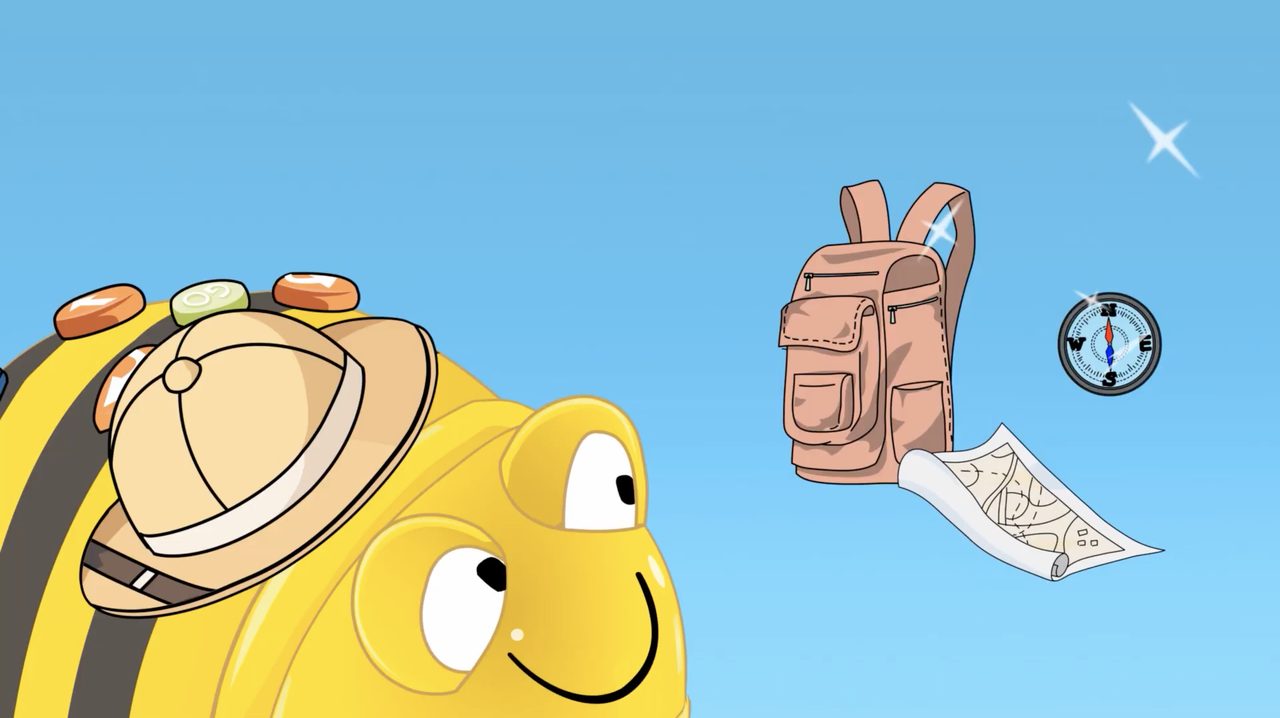
Series Anime Pilot ProductionNatasha Allegri released the Bee and PuppyCat pilot in two parts on Cartoon Hangover in July and August 2013. What began as a standalone animated pilot became the foundation for a Kickstarter campaign that funded a full web series. The pilot's combination of slice-of-life narrative, anime visual aesthetic, and original character design gave backers a complete picture of the tone, humor, and visual quality of the series they were funding, not a description of a series, but a finished example of one. The Kickstarter raised funds for additional episodes, and in 2022 Netflix acquired and released a full new season. The entire path from pilot to Netflix was driven by a single original anime pilot production demonstrating its own quality.
Indie Anime Pilot to 100+ Episodes: The Self-Distribution Model
Web Anime Pilot ProductionMonty Oum created RWBY at Rooster Teeth in 2013 as a self-funded anime-style pilot production released directly to YouTube. Without traditional distribution infrastructure, production committee backing, or a network greenlight, RWBY grew from a single pilot into a long-running series of over 100 episodes, solely on the strength of what the pilot demonstrated. The anime pilot production established the visual style, fight choreography, character dynamics, and world-building of the series in a form that audiences could immediately respond to and share. RWBY is the most widely cited example of self-distributed indie anime pilot production proving a series concept through direct audience engagement rather than industry gatekeepers.
Creator-Commissioned Anime Short: The Independent Funding Model
Creator-Funded Anime ProductionPorter Robinson commissioned A-1 Pictures, the studio behind Sword Art Online, Your Lie in April, and Anohana, to produce a 6-minute anime short as a music video for his track Shelter. The project was independently funded by Robinson and Madeon, with Robinson working directly with A-1 Pictures outside of any production committee structure. The resulting anime short was produced at full theatrical studio quality: character design, background art, and frame-by-frame animation indistinguishable from A-1 Pictures' mainstream productions. Shelter has been viewed hundreds of millions of times and remains one of the most shared pieces of creator-commissioned anime production. It demonstrates that a single, independently funded, creator-owned anime production can achieve mainstream cultural reach without label or studio infrastructure behind it.
Every creator who needs a series to prove itself first.
Anime pilot production is the right path for any creator, IP owner, or studio whose series concept requires demonstrated execution quality before a full production commitment, whether that commitment comes from backers, a platform, a publisher, or themselves.
Original Series Creators
An original anime series with no existing IP recognition needs a completed anime pilot to demonstrate that the concept translates from script to screen at the quality level that audiences and platforms expect. A 5 to 12 minute series pilot produced with frame-by-frame technique shows the series' visual identity, character animation quality, and narrative tone in one watchable piece. It can be self-distributed on YouTube to build an audience before approaching platforms, or held back as a pitch asset for streaming platform submissions. The frame-by-frame animation pipeline used in every MMS pilot matches the production method of professional Japanese anime studios.
Manga and Webtoon Adaptation
A manga or webtoon IP owner approaching publishers, streaming platforms, or investors with an adaptation pitch needs an anime pilot production to prove the source material translates to animation at professional quality. Written pitches and static art packages cannot show how characters move, how action sequences feel in motion, or how the page-level pacing of the source material converts to screen time. A completed anime pilot for a manga or webtoon IP demonstrates adaptation quality and creative direction to exactly the audiences who need to see it. See our manga animation studio page for source material adaptation scope and options.
Crowdfunding Campaigns
A Kickstarter or Indiegogo campaign for an anime series performs substantially better when the campaign page includes a completed anime pilot production rather than concept art, written descriptions, or a promotional trailer. Under the Dog raised $878,000, 51 percent over its goal, because backers could watch and evaluate exactly what they were funding, not imagine it from a pitch. A 2 to 5 minute crowdfunding pilot is the most effective conversion asset on a campaign page: short enough to hold attention in a browsing session, long enough to demonstrate the quality, world, and character design of the full series. Rush timelines are available for campaigns with fixed launch dates.
Streaming Platform Pitches
Netflix, Crunchyroll, and Amazon Prime Video all acquire and co-produce anime originals, but a written pitch, treatment, or series bible cannot demonstrate execution quality to a platform's acquisitions team the way a completed anime pilot production can. A 5 to 12 minute series pilot or a 20 to 24 minute OVA-style pilot provides exactly what streaming platforms need to evaluate a series: visual quality, animation production standard, character dynamics, and narrative pacing demonstrated across a complete piece. Crunchyroll had 18 million paid subscribers in Q1 2025. Netflix reported more anime revenue than Crunchyroll and Hulu combined in 2024. Both platforms are actively acquiring independent anime originals.
Festival and Convention Submissions
An anime pilot produced at 5 to 15 minutes qualifies as a short film for anime and independent film festival submissions, including Anime Expo, SXSW, and animation-focused short film programs. Festival acceptance builds distribution credibility and creator visibility in a way that neither social media presence nor written press can replicate. A festival-format anime pilot is produced with the same full frame-by-frame pipeline as any other MMS anime pilot production, with additional attention to color grading, sound design, and a self-contained narrative arc that functions as a standalone short film. Convention screenings at Anime Expo and similar events also provide direct exposure to the core anime audience.
Web Anime Self-Distribution
Not every anime pilot production is produced to pitch a third party: some creators produce and self-distribute an anime pilot directly to YouTube, building an audience before approaching platforms or launching crowdfunding. RWBY is the canonical example: a self-funded indie anime pilot released to YouTube that grew into one of the longest-running independent anime series without network backing. A self-distributed anime pilot can function simultaneously as an audience-building piece and a pitch asset. When the pilot finds an audience, the audience becomes evidence for the platform or investor pitch. See our anime style marketing video service for short-form brand content that complements self-distributed series launches.
7 stages. Every frame drawn by hand. Your IP. Your series.
The anime pilot production pipeline at Magic Motion Studio follows the same pre-production and production stages used by professional Japanese anime studios, from kikaku (concept planning) through shiage (final cleanup), adapted for independent creators who retain full ownership of their work from first script to final composite.
Kikaku: Concept, Script, and World Bible
Kikaku (企画) is the planning stage where the anime pilot's creative foundation is established. You provide your series concept, script or story outline, existing character designs (if any), world-building notes, visual reference, target runtime, and pilot format: crowdfunding, series, festival, or OVA-style. If you have only a concept and no script, script development is offered as a preceding step. A world bible covering setting, character relationships, tone, and visual direction is confirmed at this stage before any design work begins. A written production quote covering scope, milestone timeline, and deliverables is returned within 24 hours of brief receipt.
Written quote within 24 hours.Settei: Character Design and World Design Sheets
Settei (設定) produces all character design sheets and world design documents required before key animation can begin. Character settei includes full turnarounds (front, three-quarter, side, and back views), expression sheets covering the emotional range required by the pilot script, and costume detail sheets for any secondary outfit or accessory variations. World settei covers the environments that appear in the pilot: interior and exterior locations, prop designs, and architectural references used by background artists. For manga and webtoon adaptations, settei translates the source material's character designs into animation-ready model sheets that key animators can follow consistently across every frame. Settei approval is required before the storyboard stage begins.
E-conte: Storyboard
The e-conte (絵コンテ) is the visual script for the anime pilot: a shot-by-shot storyboard showing every camera angle, character position, action, and cut transition for the full runtime. Professional anime e-conte follows a standardized format that includes frame sketches, scene numbers, character labels, action notes, and dialogue timing markers. The e-conte for an anime pilot production is the document from which every subsequent production decision flows: background composition, key animation poses, cut timing, and compositing layer structure are all derived from it. Two rounds of storyboard revisions are included before the animatic stage begins. Structural changes after animatic approval require a scope adjustment.
Animatic: Timed Storyboard Against Audio
The animatic assembles the approved e-conte frames into a timed sequence against your music track, voiceover, or sound reference, producing a moving storyboard that shows every cut at its exact intended duration. The animatic is the last checkpoint for structural changes before frame-by-frame key animation begins. Cut additions, scene reordering, or timing adjustments are free at this stage. After written animatic approval, the anime pilot production moves into animation. Changes at that point affect timeline and scope. For crowdfunding pilots, the animatic is also used to verify that the final runtime lands within the 2 to 5 minute window most effective for campaign page conversion.
Last structural checkpoint before animation begins.Genga: Rough Key Animation
Genga (原画) is the key animation stage where the core creative drawings of every cut are produced in Clip Studio Paint. The key animator draws the most expressive and important frames in each cut: starting position, peak action, and ending position of every movement, determining the character's weight, personality, and physical behavior for each scene. Key animation in anime pilot production is drawn at the frame rate specified for each cut: on ones (24 drawings per second) for action sequences requiring maximum detail and speed, on twos (12 drawings per second) for standard character movement and acting, and on threes (8 drawings per second) for slow or atmospheric shots. Rough genga is delivered for written client review before in-betweening begins. For an OVA-style 24-minute anime pilot, this stage is the longest in the production timeline.
Douga and Shiage: In-betweening, Cleanup, and Color
Douga (動画) produces the in-between drawings that fill the frames between the approved rough genga keys. In-betweens follow the key animator's arc exactly, completing the motion curve rather than reinterpreting it. After in-betweening, shiage (仕上げ) performs cleanup: rough construction lines are removed, line weight is finalized, and character model consistency is verified against the approved settei sheets. Smear frames, impact frames, and secondary action on hair and clothing are added at the cleanup stage. Color is applied across all animation frames using the approved palette, including flat colors, shadow layers, and gradient tones. A quality pass confirms frame count, frame rate accuracy, and visual consistency across the full pilot runtime before background art production begins.
Background Art, Compositing, Sound, and IP Transfer
Background environments are painted in Clip Studio Paint and Procreate, matching the perspective, lighting, and color temperature of each scene's animation. All animation, background, and effects layers are composited in Toon Boom Harmony. Music, voiceover, and sound design are synced to the final composite and reviewed against the animatic for timing accuracy. The completed anime pilot is delivered at 1080p and 4K in H.264 MP4 and ProRes formats. Platform-specific exports for YouTube, Crunchyroll submission specs, Kickstarter campaign video requirements, and festival submission formats are included. Full intellectual property ownership transfers to the client on final payment: no production committee structure, no co-ownership, no usage restrictions. Source files are transferred on request.
Rush delivery available for campaign launch and convention deadlines.Your anime pilot production studio. Your IP. Always.
A Dedicated Anime Studio: Not a Generalist That Lists Anime as a Service
Every competitor ranking for anime pilot production searches is a generalist animation studio that lists anime among many other styles. Austin Visuals is a commercial animation studio serving broadcast, corporate, and government clients: anime pilot production is one of dozens of services listed. Pixune Studios is a Poland-based studio producing 3D animation, kids animation, game art, and 2D anime under the same roof: anime is a style option, not a specialized pipeline. Upwork freelancers offer individual production skills without the full pipeline coordination that a complete anime pilot production requires. Magic Motion Studio operates a dedicated anime production pipeline: every tool, every process, and every production decision is built exclusively for anime output. The result is the consistency of execution that an anime pilot requires across every stage from kikaku to compositing.
The Full Japanese Production Pipeline: From Settei to Shiage
Anime pilot production requires the complete production structure used by professional Japanese anime studios: character settei sheets that key animators draw to consistently, e-conte storyboards that function as production documents rather than loose sketches, genga drawn at the correct frame rates for each cut type, douga in-betweening that follows the key animator's arcs rather than approximating them, and shiage cleanup that removes construction lines while preserving line weight intention. Magic Motion Studio runs this full pipeline for every anime pilot production, regardless of runtime format. A 3-minute crowdfunding pilot and a 24-minute OVA-style pilot both go through every stage: no shortcuts taken on shorter formats, no pipeline steps skipped to save time.
No Production Committee. Full IP Ownership. Your Series.
Traditional Japanese anime production requires a production committee: a consortium of publishers, toy companies, and distribution partners who co-fund production and collectively own the IP. Under the Dog raised $878,000 on Kickstarter specifically to bypass this system and retain full creative control. Magic Motion Studio operates outside the production committee structure by design. Every anime pilot produced here transfers full intellectual property ownership to the client on final payment: the series, the characters, the world, the animation, and all source files. No co-ownership, no licensing arrangement, no usage restrictions. You can pitch to Netflix, launch on Kickstarter, self-distribute on YouTube, or license your IP to a publisher, without consulting this studio or paying further fees. Your series is yours from the first frame.
Anime pilot production questions answered.
Start your anime pilot production today.
Frame-by-frame anime pilot production for crowdfunding campaigns, streaming platform pitches, festival submissions, and web distribution. Full IP ownership. Written quote within 24 hours.