
Animated corporate video your whole company actually understands
Magic Motion Studio produces corporate animation for enterprise communications, training, compliance, and brand storytelling. Ten years of production, more than 1,000 delivered videos, every frame animated in house.
Most corporate video never gets watched to the end because it was built to fill a slot rather than to answer a question. The work here starts from what your audience currently misunderstands, and ends when that gap is closed. If an animated corporate video is the wrong tool for your brief, we will tell you that before you spend anything.
Get a scoping call
Tell us what needs explaining and who needs to understand it. You will hear back within one business day.
Brief received
You will hear back within one business day, from the people who would actually build it.


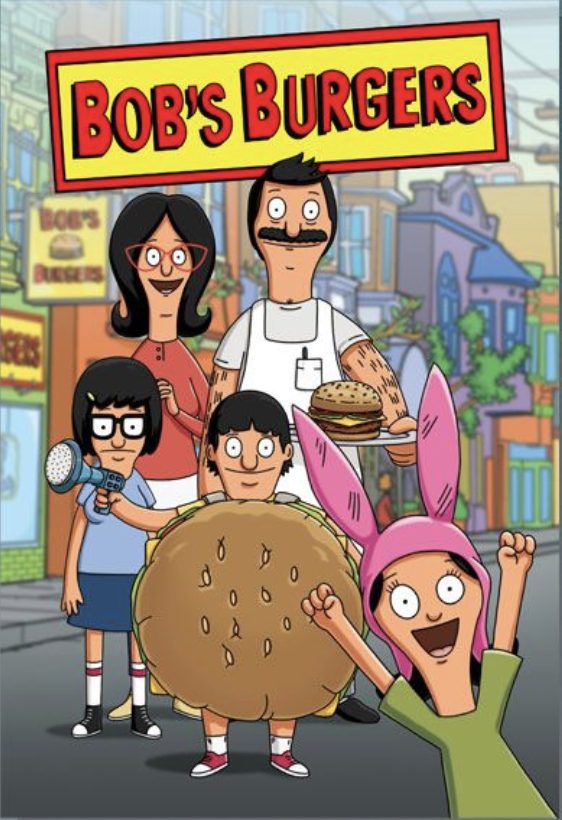
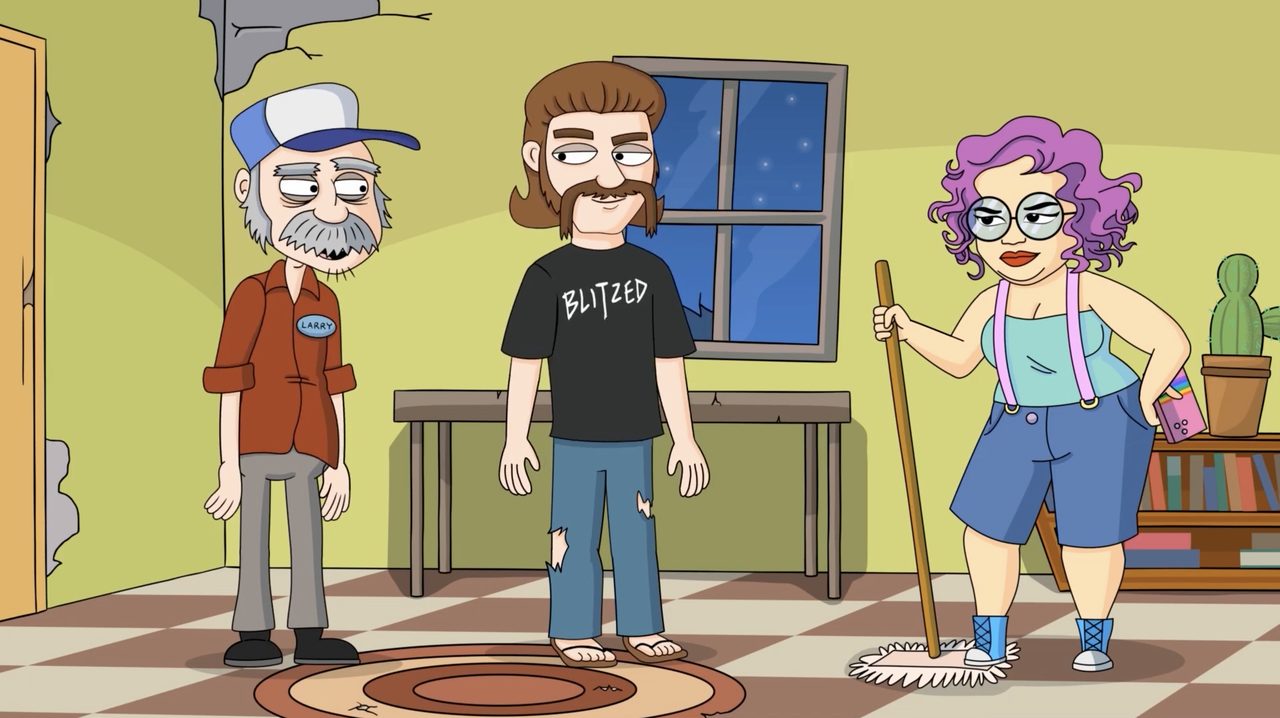


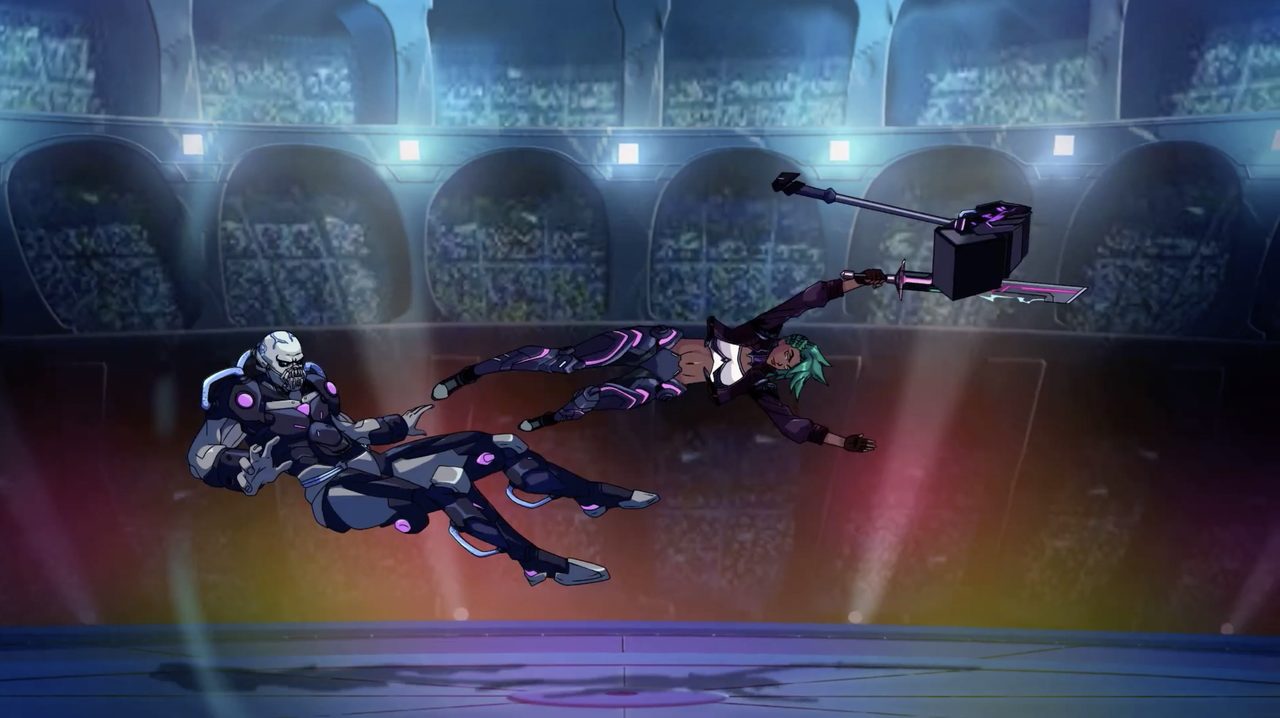

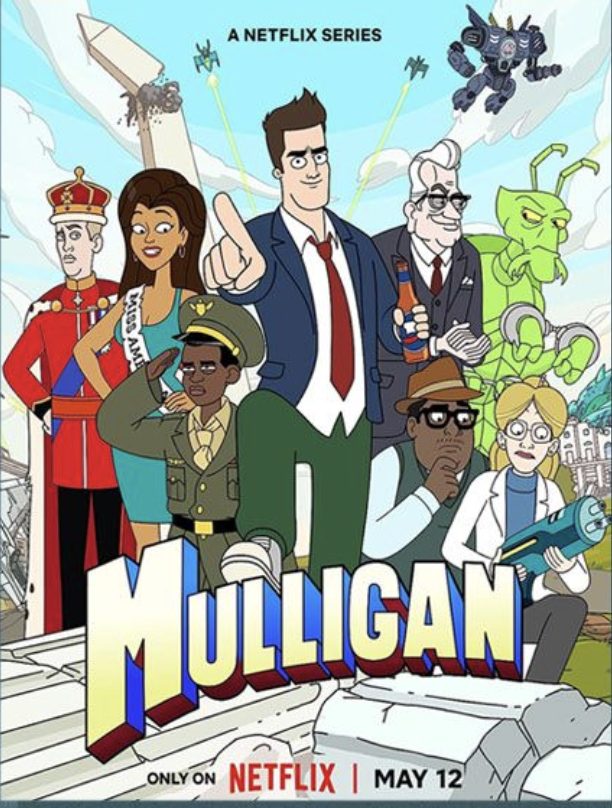


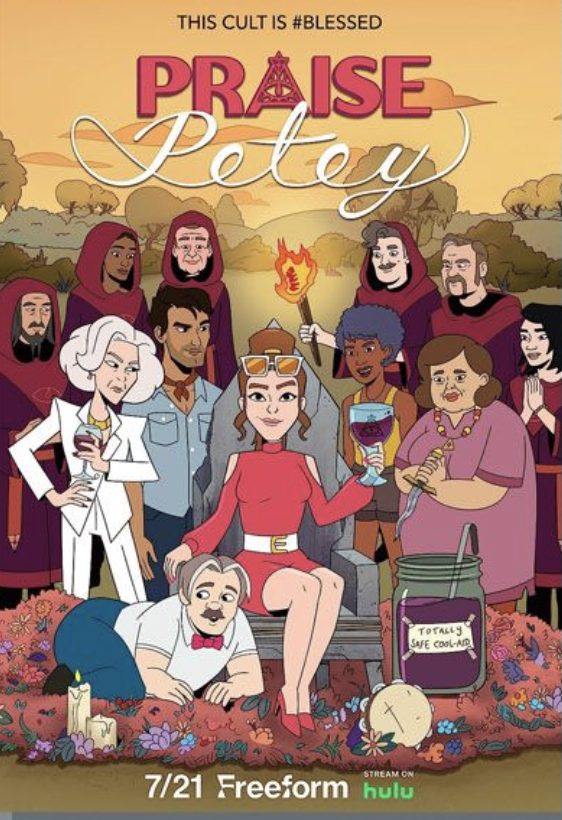
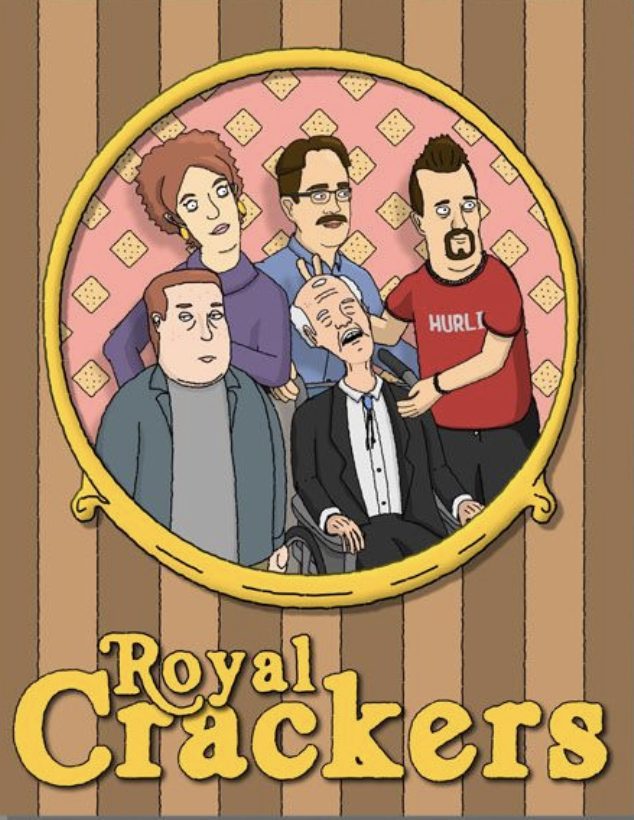

beautifully.
All animation. One studio.

beautifully.
All animation. One studio.
Ten years of animation for business audiences
Not a reseller and not an agency layer. Magic Motion Studio draws, animates, and composites every frame in house, which is why the work holds together across a whole corporate programme rather than a single piece.
Every type of animated corporate video, produced under one roof
Corporate communication is not one job. A corporate explainer video, a compliance briefing, and an investor film have different audiences, different constraints, and different definitions of success. Magic Motion Studio produces each type of animated corporate video with the same in-house pipeline, which is why tone and brand treatment stay consistent across an entire programme rather than drifting between vendors.
Corporate explainer video
The core format. Takes a product, service, or internal system and makes it understandable in ninety seconds to someone who has never encountered it.
Internal communications
Strategy rollouts, restructure announcements, benefits changes. Animation removes the awkwardness of filming executives and makes the message repeatable.
Training and onboarding
Process-heavy material where the learner needs to see a sequence, not hear it described. Animation shows steps a camera cannot reach.
Compliance and policy
Mandatory viewing that people actually finish. Animated corporate video carries dry regulatory content far better than a slide deck or a talking head.
Brand story film
Who the company is and why it exists. Used at conferences, on careers pages, and in the first B2B meeting with a prospective enterprise client.
Animated infographic
Figures, market position, and performance data turned into motion so a board or an investor audience can absorb them in one pass.
Animated corporate video versus live action: choosing correctly
This is the decision most corporate teams get wrong, usually by defaulting to whichever format they used last time. The two are not interchangeable, and the choice should follow the subject rather than the budget. An animated corporate video wins on anything abstract, procedural, or internal. Live action wins when the point is a real person in a real place.
| Consideration | Animated corporate video | Live action |
|---|---|---|
| Abstract concepts | Shows processes, data, and systems directly | Needs metaphor or voiceover to carry the idea |
| Internal systems | Can visualise software, workflows, and infrastructure | Limited to screen recordings or staged shots |
| Updating later | Scenes rebuilt without reassembling anything | Requires a reshoot with the same cast and location |
| Multiple languages | Re-voiced and re-captioned using the same animation | Dubbing fights visible lip sync |
| Brand control | Every colour, font, and frame matches guidelines exactly | Constrained by location, lighting, and wardrobe |
| Staff turnover | Unaffected, nobody is on camera | Dates quickly when featured employees leave |
| Genuine testimony | Not the right tool | The strongest option, real faces carry trust |
| Real premises | Not the right tool | The strongest option, shows the actual facility |
The practical rule. If the video will need to change within two years, or exist in more than one language, or explain something that cannot be photographed, animation is the correct format. Many corporate programmes run both: an animated corporate video for the explanatory work, live action for leadership and customer testimony.
The right animation style for the corporate message
Style is not decoration, it signals tone before a word is spoken. A compliance briefing animated like a consumer advert undermines its own authority, and a recruitment film built from flat corporate iconography fails to make anyone want the job. Choosing the style of an animated corporate video is a strategic decision made at the brief stage, not a preference picked at the end.
Motion graphics
Typography, iconography, and data in motion. Built from existing brand assets, so it is the fastest route to a finished animated corporate video and the most tightly on brand. See motion graphics services.
2D character animation
Illustrated people moving through a situation. Carries empathy, which matters for onboarding, culture, benefits, and recruitment where the viewer needs to see themselves in the story. See 2D animation studio.
Whiteboard and line art
A drawn argument that builds step by step. Strong for training and for complex reasoning where the audience benefits from watching an idea assemble rather than arriving finished.
3D and product visualisation
Machinery, components, and physical products shown from angles a camera cannot achieve, including cutaways and exploded views. See 3D animation.
Animated corporate video use cases by industry
The format stays constant and the constraints change. Every one of these is a B2B purchase, made by a committee rather than an individual. A regulated financial institution and a logistics operator both need a corporate explainer video, but what can be shown, who must approve it, and what counts as success differ completely.
| Sector | Industry | The constraint | What animation solves | Our work |
|---|---|---|---|---|
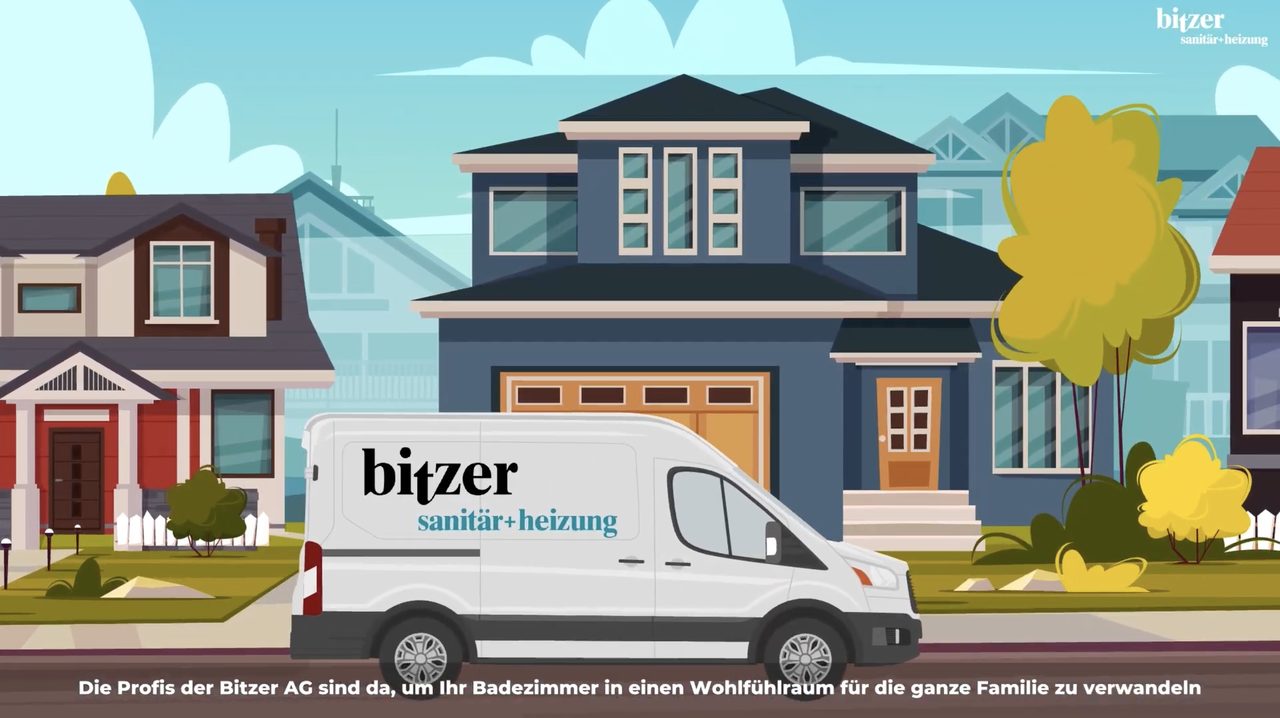
| Manufacturing | Industrial and engineering | Equipment too large, too dangerous, or too enclosed to film | Cutaways through a housing showing the mechanism running | Bitzer AG |
| Software | Enterprise SaaS and technology | Long B2B sales cycles, technical buyers, procurement gatekeepers | Architecture explained before procurement will engage · SaaS explainer video | — |
| Regulated | Financial services | Every claim checked, legal review inside the schedule | Compliance-aware production · fintech explainer video | — |
| Clinical | Healthcare and medical | Accuracy requirements, patient sensitivity | Mechanisms of action without clinical footage · healthcare explainer video | — |
| Property | Real estate and development | Selling something that does not exist yet | Developments shown before ground is broken · real estate explainer video | Homes by Westbay |
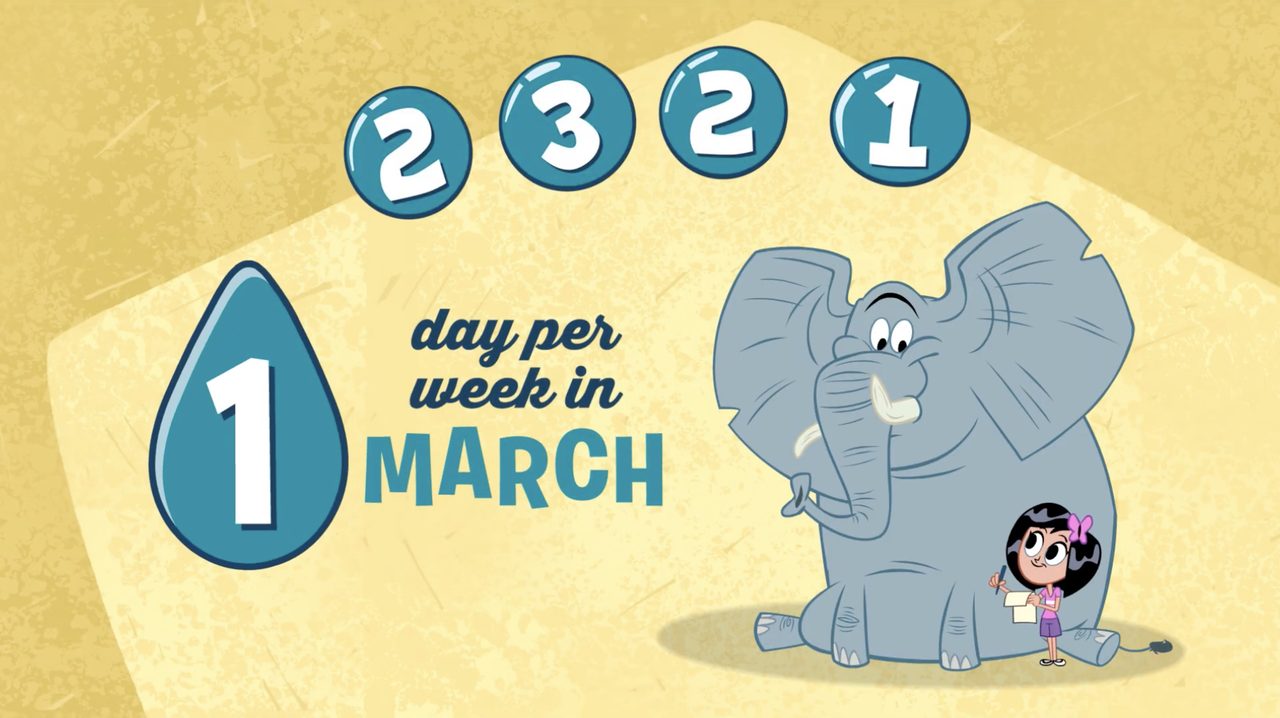
| Public | Education and government | Broad audience, varied reading level, accessibility rules | Public information work built for comprehension | Bee-Bot series |
Why companies choose Magic Motion Studio for animated corporate video
Most animated corporate video is not made by the company you hire. The industry runs heavily on brokerage: an agency wins the account, then subcontracts the animation to a studio you never meet, and quality depends on whoever was available that month. Magic Motion Studio animates in house. The person drawing your frames works for the studio you briefed.
Corporate video rarely arrives as a single piece. It arrives as a programme: an explainer this quarter, three training modules next, a compliance refresh after that. Spread across vendors, the brand drifts and each new piece needs the context explained again. One studio keeps the visual system intact and removes the re-briefing tax.
Production runs on Toon Boom Harmony, Adobe After Effects, Blender, and Clip Studio Paint, the same tools used in broadcast and series animation. The pipeline matters most on revisions, because a properly built project file can be changed without rebuilding the scene from scratch.
The disciplines on your project
Corporate animation is not one skill. Four distinct disciplines sit on every project, and all four are in house. You deal with the practitioners directly rather than through an account layer.
Animation direction
Sets the visual approach for each animated corporate video, builds the storyboard, and holds the through-line across a multi-piece enterprise programme.
2D character animation
Builds the illustrated people and environments that carry onboarding, culture, and recruitment work, where the viewer needs to recognise themselves.
Motion graphics and compositing
Turns data, typography, and brand systems into motion, then assembles the final picture with lighting, grade, and effects passes.
Production management
Runs the schedule, the approval chain, and the asset handover so nothing stalls inside a corporate review cycle. The most underrated role on a B2B project.
How an animated corporate video gets made
Corporate projects fail on approvals far more often than on craft. The process below is structured so the expensive decisions happen while they are still cheap to change, which is the single biggest determinant of whether an animated corporate video ships on time.
Discovery
Who the audience is, what they currently believe, and what they should do differently after watching. Brand guidelines, existing assets, and the approval chain are mapped here.
Script
Written for voiceover timing rather than for the page. Signed off before anything is drawn, because script changes after animation begins are the costliest revision in the process.
Storyboard
Every scene drawn as a frame. This is the stage to be genuinely critical, since changes here cost minutes and the same change after animation costs days.
Style frames
Two or three fully finished frames showing exactly how the animated corporate video will look. Approval locks the visual direction for the whole piece.
Animation
The build. Character work, motion graphics, transitions, and effects, produced in house against the approved boards and style frames.
Sound and delivery
Voiceover, music, sound design, captions, and export in every aspect ratio the campaign needs. Masters and source files handed over.
What slows corporate projects down. Not animation time. The delays come from feedback arriving from several stakeholders at once with no single approver, from brand guidelines appearing after the style frames are built, and from script changes requested once animation is already underway. Naming one decision-maker at the start removes most of this.
What an animated corporate video is, and how it actually works
An animated corporate video is a short film produced through animation rather than filmed footage, made for a B2B or internal enterprise audience rather than a consumer one. The distinction between a corporate explainer video and a marketing explainer is the audience and the stakes. A consumer explainer is trying to win attention in a feed. An animated corporate video is often watched by people who are required to watch it, inside an organisation, where the cost of being misunderstood is operational rather than commercial.
Two channels that reinforce rather than compete
When a viewer hears a process described while simultaneously watching it happen, the two channels reinforce each other. A slide deck forces the audience to read and listen at once, which splits attention. Animation synchronises them. This is why the format outperforms a recorded presentation on the same material, even when the words are identical.
It survives the company changing around it
A filmed corporate video is a snapshot of a particular office, a particular set of employees, and a particular brand treatment. Within two years the office has moved, half the people on screen have left, and the brand has been refreshed. An animated corporate video built in a proper pipeline can be revised scene by scene, re-voiced into a new language, or re-coloured to a new brand system without reassembling anything.
Where it sits against adjacent formats
The format overlaps with several things it is not. Most corporate programmes end up using more than one, which is the argument for keeping them with a single studio.
Animation has a long industrial history outside entertainment. Instructional and training animation was used at scale in the twentieth century precisely because it could show mechanisms and procedures that film could not reach, a lineage documented in the broader history of animation. The corporate application today is the same principle applied to software, logistics, compliance, and organisational process.
What drives the cost of an animated corporate video
The cost of an animated corporate video follows complexity, not duration. A two-minute motion graphics piece built from an existing brand system can be considerably less involved than a forty-five second film with custom character illustration. Rather than quoting a number against a runtime, it is more useful to understand which variables actually move the figure. The bars below show relative impact, not price.
Animation style
LargestMotion graphics assembled from existing brand assets sits at one end. Frame-by-frame character animation with bespoke illustration sits at the other, because every element is drawn rather than composed.
Characters and environments
Scales fastEach unique character needs design, turnarounds, and an expression set. Each new environment needs building. Reusing a cast across a programme is the most effective way to control this.
Languages and versions
Often missedAdditional languages are far cheaper in animation than in live action, but they are not free. Each needs voiceover, on-screen text rebuilt, and a timing pass.
Review rounds
ControllableThe variable most within your control. A project with one named approver and structured sign-off at each stage costs less than the identical project with feedback arriving from six directions.
For published ranges across formats, see the explainer video pricing guide or the broader animation video cost breakdown. For a figure against your actual brief rather than a bracket, send the brief.
Measuring whether it actually worked
An animated corporate video is frequently commissioned without any agreed definition of success, which is why it is also frequently the first line cut when budgets tighten. The measure depends entirely on where the piece sits, and the obvious metric is usually the wrong one.
A ninety-second animated corporate video holding above sixty percent completion is doing its job. More telling is whether viewers take the following step, whether that is a demo request, a pricing page visit, or simply more time on site. Watch time alone flatters a video that nobody acts on.
The audience is often required to watch, so attention is not the question. A short pulse survey before and after a rollout, asking three questions about what people believe the change means, will tell you more than any view count. Support ticket volume is another honest proxy: if a process video works, questions about that process should drop.
If a new starter reaches productive work faster after the material is animated than they did from documentation alone, the production paid for itself. Several clients track this as days-to-first-independent-task, which is blunt but difficult to argue with.
Completion is a legal requirement rather than a success metric. Spot-checking understanding three months later reveals whether the content was absorbed or merely played in a background tab. This is where format choice matters most, because a recorded slide presentation and an animated corporate video produce very different retention curves on identical material.
Set the measure before the script
Each of these implies a different script. A piece optimised for completion opens differently from one optimised for comprehension. A video that must survive a compliance audit carries different content from one designed to generate demo requests. Deciding what you are measuring is therefore part of the brief, not a reporting exercise bolted on afterwards, and it is one of the first questions asked during discovery.
What happens after you send the brief
The most common reason a corporate team delays contacting a studio is not budget, it is uncertainty about what they are committing to. So here is the whole sequence, with no step that obliges you to anything.
One reply, within a business day
From the team that would build it, not an account manager reading from a template. If we are not right for the brief, that reply says so.
A scoping conversation
Thirty minutes on the audience, the message, and the constraints. You leave knowing which format fits and roughly what the production involves, whether or not you proceed.
A written proposal
Scope, stages, deliverables, and a fixed figure against your actual brief. Nothing starts until you approve it.
There is no retainer requirement and no minimum programme. Companies frequently start with a single animated corporate video to see how the studio works before committing to a wider programme, and that is a sensible way to begin.
Common objections, answered honestly
"We have an internal team that could do this"
Often true, and sometimes the right answer. Internal teams win on brand knowledge and on speed for small updates. External studios win when the piece needs character animation, when the internal team is already at capacity, or when the work has to clear a quality bar a generalist marketing designer cannot reach. If your internal team can produce it well, keep it internal.
"Animation feels too playful for our sector"
That is a style problem, not a format problem. Animated corporate video spans everything from restrained motion graphics with no characters at all to fully illustrated narrative work. Regulated industries, industrial manufacturers, and financial institutions all use animation routinely, in registers that look nothing like a consumer advert. The style section above exists precisely because this choice determines perceived tone.
"We tried video before and nobody watched it"
Usually a brief problem. An animated corporate video that fails almost always failed at the first ten seconds, because it opened with company history rather than the viewer's problem. The discovery stage exists to find what the audience actually needs answered, which is a different question from what the organisation wants to say.
"Our approval process will make this painful"
It is the single most common cause of delay, and it is manageable. Naming one approver, locking the script before anything is drawn, and signing off style frames early removes most of the friction. A corporate approval chain is a known constraint, not a surprise, and the production schedule is built around it rather than in spite of it.
Animated corporate video questions, answered
What is an animated corporate video?
A short film produced with animation rather than filmed footage, made for a business audience. It covers internal communications, training, onboarding, compliance, brand storytelling, investor material, and product explanation. Because nothing is filmed, it can show processes, data, abstract concepts, and internal systems that a camera cannot reach.
How long should an animated corporate video be?
Most land between 60 and 120 seconds. Internal communications and compliance pieces often run longer, between two and four minutes, because the audience is required to watch rather than choosing to. Brand films sit around 90 seconds. The right length is set by how much the audience already knows, not by a fixed rule.
Is animation better than live action for corporate video?
Animation is better when the subject is a process, a system, data, a future state, or anything abstract, and when the video needs updating or translating later. Live action is better when the point is real people, real premises, or genuine testimony. Many corporate programmes use both.
What does an animated corporate video cost?
Cost is driven by complexity rather than length. The main factors are animation style, the number of unique characters and environments, whether custom illustration is required, voiceover and language count, and how many review rounds the approval chain needs.
Can it be produced in multiple languages?
Yes, and this is one of the strongest practical arguments for animation in a corporate setting. Because the visuals carry no lip-synced on-camera speech, a single animated corporate video can be re-voiced into additional languages without reshooting. On-screen text is rebuilt per language and the animation itself is reused.
Who owns the video once it is delivered?
You do. The client owns the finished animated corporate video and the delivered master files outright. Project files and source assets are handed over on request so the work can be updated in future, either by the studio or by an internal team.
What do you need from us to start?
A clear statement of what the audience should understand or do after watching, brand guidelines including fonts and colour, any existing script or source material, and a named approver who can sign off at each stage. Projects move fastest when one person holds the decision.
Do you write the script?
Yes. Scriptwriting is part of the production and begins from a discovery conversation about the audience and the goal. Clients with approved internal copy can supply it, and the studio adapts it for voiceover timing, which is a different discipline from writing for the page.
Tell us what your company needs explained
Send the brief and the audience. We will tell you which format fits, which style suits the message, and what the production involves. If animation is the wrong answer for your project, we will say so.