
Your music has a story. We draw it in anime.
A specialist anime music video production studio producing original frame-by-frame animated MVs for independent musicians, K-pop and J-pop artists, virtual artists, and record labels. Five formats. Full IP ownership on delivery.
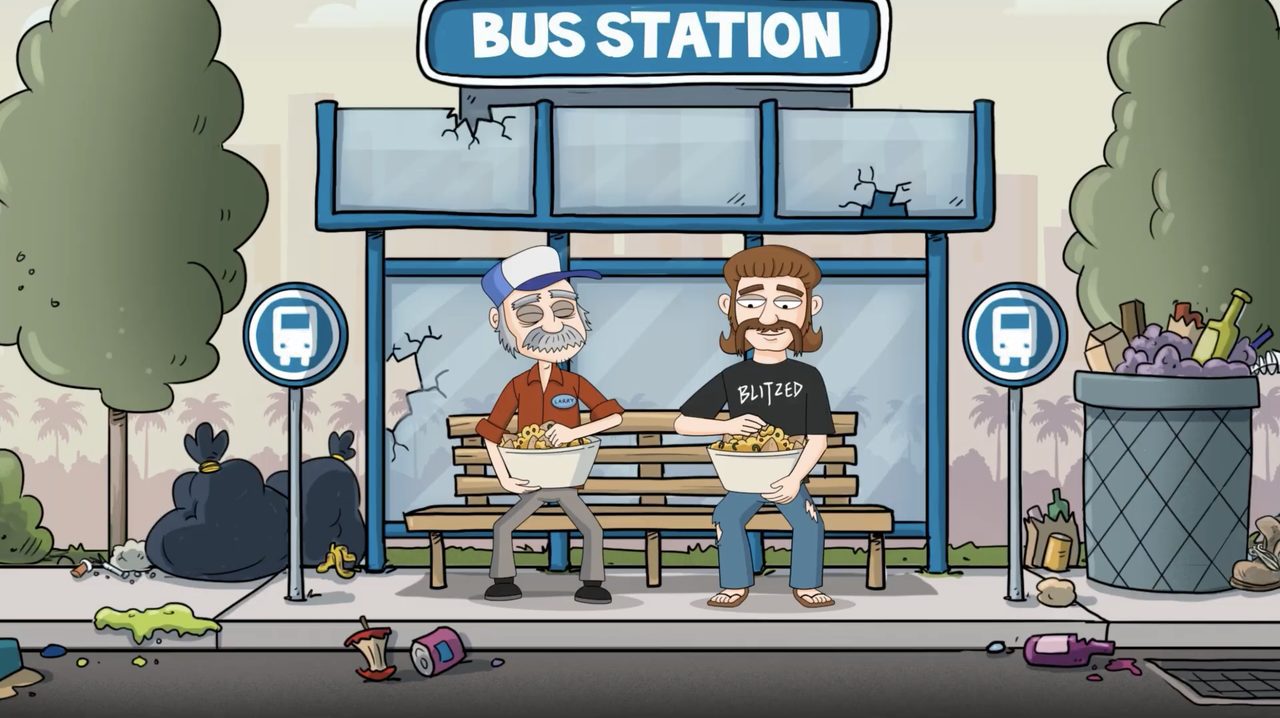
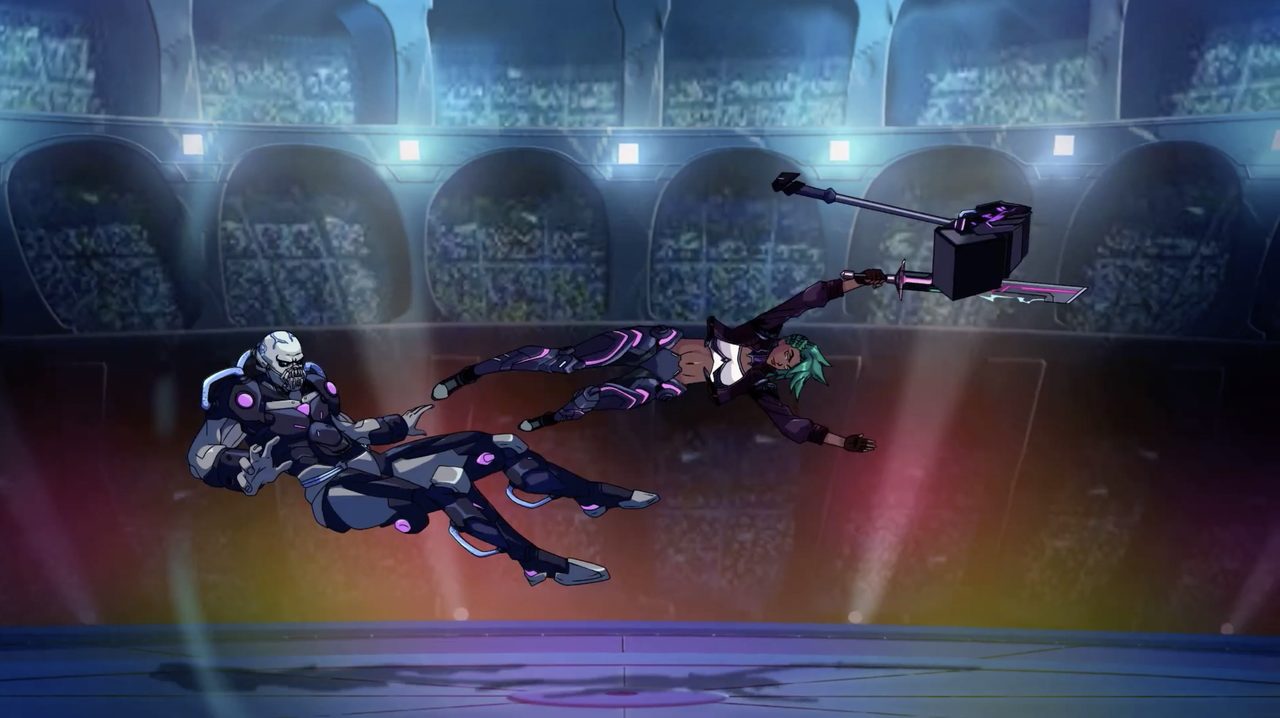
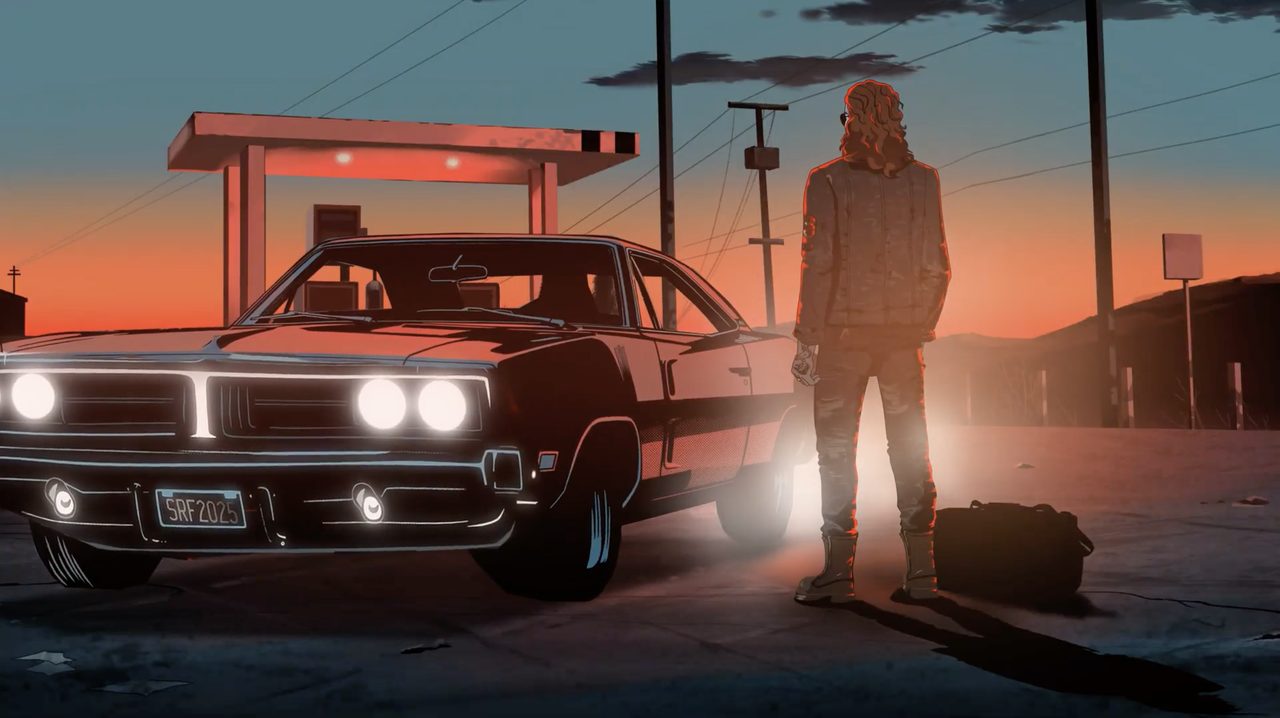
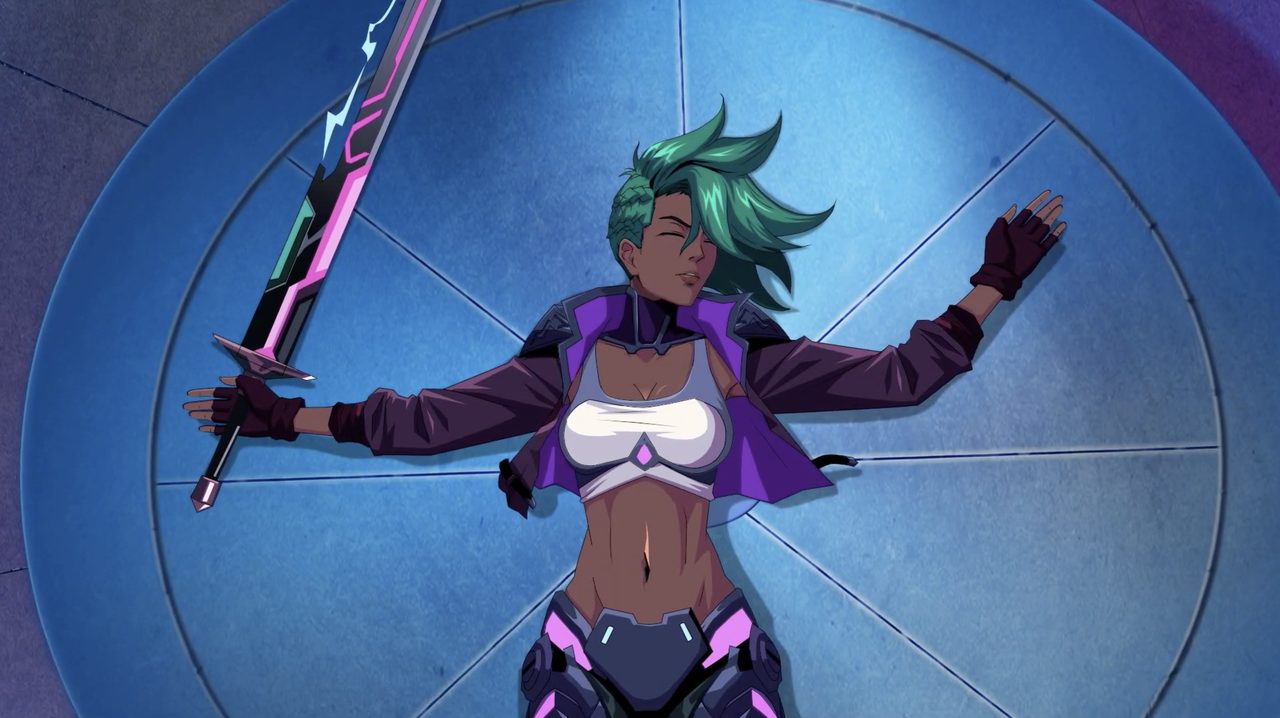
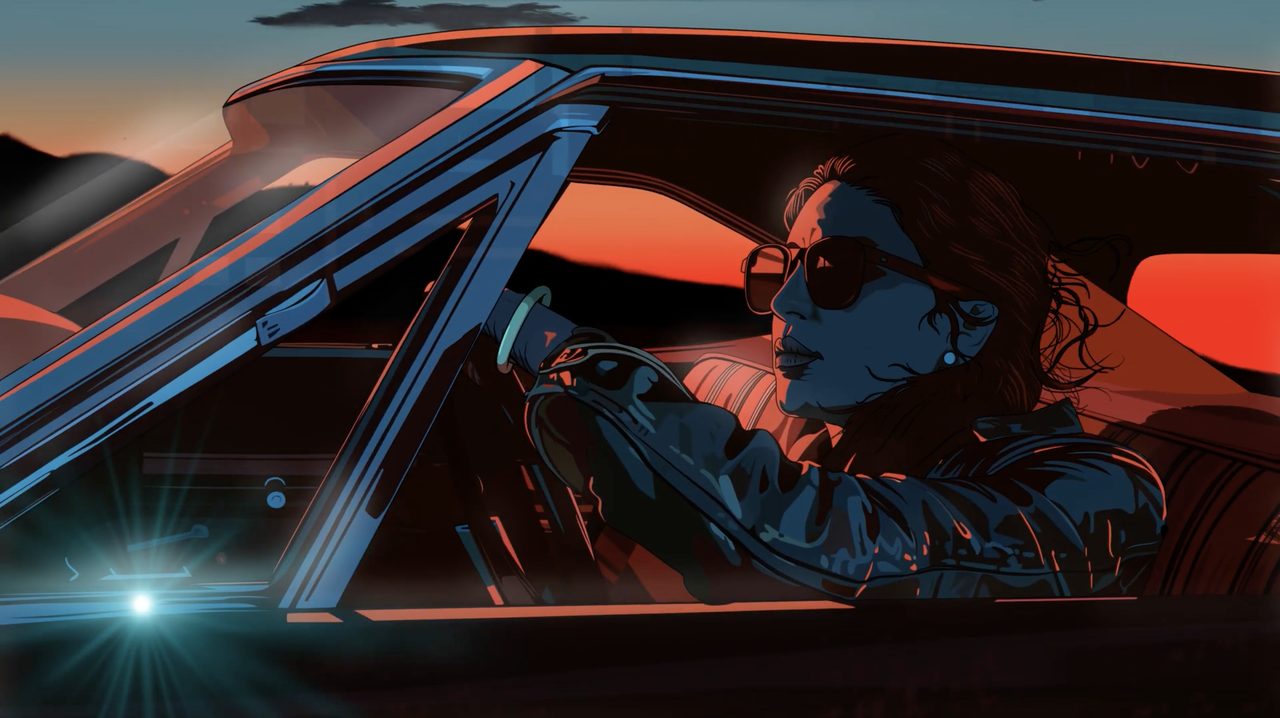
beautifully.
All animation. One studio.
beautifully.
All animation. One studio.
Watch our anime animation studio work.
Frame-by-frame anime animation, motion manga PVs, and character animation produced at Magic Motion Studio. Every project hand-drawn. No AI. No shortcuts.
Original animation for your music. Not a fan edit. Your MV.
The distinction that matters for your release
Anime Music Video (fan-made)
A fan-edited video synchronizing existing footage from licensed anime series to a music track. The animation belongs to the anime studio. The creator of an AMV owns none of the visual content. AMVs cannot be commercially released, monetized, or used in a professional music release without infringing on the rights of the original animation rights holders. They are a fan creative format, not a production deliverable.
Professionally produced anime MV
Entirely original animation created from scratch for a specific music release. Original characters, original environments, original visual narrative, and all animation frames drawn by hand specifically for the song. The artist commissioning the work owns 100% of all visual assets on delivery. Can be commercially released on YouTube, streaming platforms, broadcast, live screens, physical media, and used in sync licensing without restriction. Porter Robinson and Madeon's Shelter (A-1 Pictures, 2016) is the defining example of this format at scale.
Anime music video production format comparison
How the world's best artists commission anime music videos.
Four real-world cases that define what professional anime music video production delivers: from a Western musician commissioning a 6-minute anime short film to a J-pop artist whose entire visual identity is built on frame-by-frame animated MVs.
Porter Robinson and Madeon: "Shelter"
Shelter is a 6-minute anime short film produced by A-1 Pictures (the studio behind Anohana and Your Lie in April) in association with Crunchyroll, commissioned and executive produced by Porter Robinson. Robinson wrote the original script and story, selected A-1 Pictures because their visual style matched the emotional register of the song, and retained full creative control over the production. The result is one of the most-cited examples of a Western musician commissioning original anime animation as a music video: original characters, original world, original narrative, and original animation produced from scratch for a single song. Shelter has accumulated hundreds of millions of views across platforms and remains a benchmark for professional anime music video production at scale. No existing anime footage was used. Every frame was drawn for this release.
Kenshi Yonezu: "KICK BACK"
"KICK BACK" by Kenshi Yonezu was released as the opening theme for the Chainsaw Man anime series, produced by MAPPA and distributed globally on Crunchyroll. The song surpassed 30 million streams in 10 days of release and was the fastest Yonezu release to reach 10 million streams, taking under 3 days. The anime opening sequence produced by MAPPA was the primary visual asset that drove the song's global reach, placing it in front of the global anime audience on Crunchyroll simultaneously with the series premiere. KICK BACK demonstrates the multiplier effect of an anime opening-format production on music release performance: the animation is not decorative but the distribution mechanism that delivers the song to the audience. The MV format is directly replicable for independent artists commissioning an Anime Opening-Style MV as a standalone release targeting the anime audience on YouTube and streaming platforms.
Ado: "Mirror," "RuLe," and "Shoka"
Ado is a Japanese pop artist who maintains strict anonymity. Her entire visual identity is built on professional anime-aesthetic animated music videos. In 2024 alone she released three anime-style animated MVs: Mirror (May 2024, directed by KZM, featuring animated characters dancing), RuLe (July 2024, directed by KZM), and Shoka (October 2024). Each MV features original animated characters and visual worlds produced from scratch for the release. Ado's output demonstrates that professional anime music video production is not a one-time stunt but a sustainable and repeatable release format that builds a consistent visual identity across an artist's catalog. Her global profile grew to the point of a sold-out Hibana World Tour in 2025 with dates at Los Angeles' Crypto.com Arena and London's O2 Arena. The anime MV format was the primary visual vehicle for her entire career trajectory.
YOASOBI: "Watch Me!"
"Watch Me!" by YOASOBI served as the first opening theme for the Witch Watch anime series (2025), with the official music video animated by Folium and directed by Daisuke Chiba. The production included original animation cuts created exclusively for the music video release, separate from and in addition to the opening sequence used in the anime series broadcast. This production model, commissioning an anime opening-format MV with original animation exclusive to the video release rather than re-using broadcast footage, is a directly applicable template for independent artists. For a musician whose audience aligns with the anime community, an anime opening-format production is simultaneously a music video release and a positioning statement: it places the artist's visual identity in the same visual language as the anime series the audience loves.
Anime music video production for every artist and format.
These are the six most common use cases for professional anime music video production at Magic Motion Studio — with the MV format and related services that apply to each artist type and release goal.
Independent Musicians — Original Character Anime MV
Independent musicians releasing a single or EP commission an Original Character Anime MV to establish a visual identity for the release — creating original characters and a world built around the song's emotional concept. This format gives an independent artist a premium release asset that competes visually with major label releases, reaches the anime audience on YouTube and social media, and owns 100% of the animation produced. The anime music video production becomes a permanent IP asset that can be used in sync licensing, merch, and future visual content.
K-pop and J-pop Artists — Concept and Performance MV
K-pop artists release anime-aesthetic animated MVs as concept videos for their international audience — telling a story that crosses language barriers through visual narrative rather than lyrics alone. J-pop artists whose identity is built on anime aesthetics (like Ado, who released three anime-style MVs in 2024) use professional anime music video production as their primary release format. Both formats — Concept Narrative MV for story-driven releases and Performance MV for idol-aesthetic presentations — are produced at Magic Motion Studio as full frame-by-frame anime animation, synchronized to the music track.
Indie Game Developers — Anime MV as Soundtrack Single
Indie game studios releasing a game with an original anime-aesthetic soundtrack commission an anime music video for the game's main theme or key track as a standalone release on YouTube. The MV extends the game's world and characters beyond the game itself, reaches the anime audience who may not have discovered the game on Steam or the App Store, and serves as a trailer-quality asset that promotes the game through music rather than gameplay footage. An Anime Opening-Style MV timed to a game's launch window replicates the anime opening format that anime audiences recognize and engage with immediately.
Virtual Artists and Vocaloid Producers — Performance MV
Virtual artists (VTubers, digital idols, AI vocalists, and vocaloid producers) commission a Performance MV featuring their original character performing the song — synchronized to the music with mouth movement, body performance, and expressive animation that conveys the song's emotional register. This format is the primary MV type for the Japanese vocaloid music scene and the growing international virtual artist market. Magic Motion Studio produces Performance MVs with the original character's design sheets as the foundation, maintaining visual consistency with the character's established identity across every frame.
Anime Series Creators — Opening MV as Standalone Release
Independent anime creators and manga-to-anime producers releasing an anime series commission an Anime Opening-Style MV as a standalone release on YouTube ahead of the series premiere — building audience and community before the first episode drops. This is the same strategy used by professional Japanese anime studios: the opening sequence is released as a standalone MV to generate search visibility and social media sharing before the series arrives. An opening-format MV with original animation exclusive to the release (beyond what appears in the broadcast version) extends the asset's value and gives fans content beyond the episode itself.
Record Labels — Anime Style Lyric Video for Digital Release
Record labels releasing a single from an artist whose audience skews toward anime, gaming, or Japanese pop culture commission an Anime Style Lyric Video as the primary video release asset. A lyric video in the anime aesthetic is faster to produce (3–6 weeks), lower in scope than a full narrative MV, and delivers a high-quality animated visual that performs on YouTube and on social media platforms for the anime-adjacent audience. For a label testing an artist's visual identity direction before committing to a full Original Character or Narrative MV, an Anime Style Lyric Video is the right starting format — it establishes the aesthetic without full character production investment.
6 stages. Every frame drawn to the beat of your music.
Every anime music video produced at Magic Motion Studio is built around the music first. BPM, phrase structure, and emotional arc shape the storyboard, cut timing, and animation frame rate choices before a single drawing is made. The pipeline runs from brief and music analysis through to final compositing, audio sync, and IP transfer.
Brief and Music Track Analysis
You provide the final music track (or a near-final mix), the MV format, the target release platform, and your visual and creative reference. The music is analyzed for BPM, phrase structure, dynamic peaks, emotional arc, and key moments that will anchor the animation's most important cuts: impact frames on the beat, character reveals on phrase transitions, emotional climaxes at the song's peak. For formats without characters (Anime Style Lyric Video, Anime Opening-Style MV), a style direction and color palette reference are confirmed at this stage. For character-driven formats, any existing character designs or world references are reviewed. A written production quote covering scope, milestone timeline, and deliverables is returned within 24 hours of brief receipt.
Written quote within 24 hours.Concept and Character Design
For Original Character MV, Concept Narrative MV, and Performance MV formats, character settei sheets are produced for every character appearing in the production: full front, three-quarter, side, and back turnarounds; expression sheets covering the emotional range required by the MV's narrative; costume and accessory detail sheets. For Performance and Vocaloid MVs, the character's existing design is translated into animation-ready model sheets. For Anime Style Lyric Video and Anime Opening-Style MV formats, a visual concept is produced instead: key frame illustrations defining the color palette, visual motifs, typography style, and scene compositions that will guide the production. Settei or concept approval is required before storyboard begins.
Storyboard and Animatic
The storyboard maps every shot of the MV to the music track. Shot type, character position, camera move, and cut timing are all determined at this stage using the BPM and phrase analysis from the brief. Impact cuts land on the beat. Character reveals land on phrase transitions. Emotional high points land on the song's dynamic peak. The approved storyboard is assembled as an animatic: a timed sequence of the storyboard frames against the music track, producing a moving rough cut of the full MV at exact runtime. The animatic is the last checkpoint for structural changes before frame-by-frame animation begins. Two rounds of storyboard revisions are included.
Last structural checkpoint before animation begins.Genga: Key Animation to the Beat
Genga (原画) is the key animation stage: the most expressive and important drawings in each cut, produced in Clip Studio Paint. For an anime music video, key animation timing is determined by the music. Action peaks, beat impacts, and phrase transitions in the audio are the animation's primary timing reference. Key animation is drawn on ones (24fps) for high-energy action sequences and beat-impact cuts, on twos (12fps) for standard character motion and narrative scenes, and on threes (8fps) for slow atmospheric or emotional moments. Every key animation frame is choreographed to a specific moment in the music. Rough genga is delivered for written client review before in-betweening begins.
Douga, Shiage, and Color
Douga (動画) produces in-between drawings filling the frames between the approved rough genga keys, following the key animator's arc exactly. After in-betweening, shiage (仕上げ) performs cleanup: rough construction lines are removed, line weight is finalized, and character consistency is verified against the approved settei sheets. Smear frames on beat impacts and speed lines are added at the cleanup stage. Color is applied across all frames using the approved palette: flat colors, shadow layers, and gradient tones. For anime music video production, the color palette is confirmed against the music's emotional arc — warmer tones for the emotional climax, cooler tones for atmospheric or reflective passages.
Compositing, Audio Sync, and IP Transfer
All animation, background art, and effects layers are composited in Toon Boom Harmony. For Anime Style Lyric Video productions, kinetic typography is composited and timed to the lyric phrases across the full runtime. Visual effects including particle systems, light flares, impact blooms, and atmospheric overlays are added in Adobe After Effects. The final composite is synchronized to the music track and reviewed frame by frame against the animatic for timing accuracy. Delivered at 1080p and 4K in H.264 MP4 and ProRes formats. Platform exports for YouTube, YouTube Shorts (9:16), Instagram Reels (9:16), and TikTok are included. Full intellectual property ownership of all animation, characters, and visual assets transfers to the client on final payment.
Rush delivery available for fixed release dates.The anime music video production studio built for music-first animation.
A Specialist Anime MV Studio, Not a Generalist That Lists Anime as One Style Option
Pixune Studios is a Poland-based animation studio that lists animated music videos among its services alongside 3D animation, game art, kids animation, explainer videos, and commercial animation. Anime is one visual style option among many — there is no dedicated anime music video production pipeline and no team specializing in beat-synced frame-by-frame anime production for music releases. Advids is a video production agency that outsources animation projects to third-party studios — it does not operate an in-house animation pipeline and cannot guarantee the consistent style and production decisions that an anime music video requires across every production stage. Anideos is a commercial animation studio serving brand, corporate, and marketing clients — anime music video production is a service category listed alongside whiteboard, 2D, and 3D explainer formats. Magic Motion Studio operates a dedicated anime production pipeline built exclusively for anime output. Every tool, every process, and every production decision serves frame-by-frame anime quality — including for music video releases where the music is the primary creative driver.
Music-First Animation: Every Cut Timed to Your Track, Not Approximated
Anime music video production is different from general animation because the music is not background — it is the primary creative brief. The BPM, phrase structure, dynamic arc, and emotional register of the track determine every production decision: where cuts happen, when characters move, what frame rate each scene uses, where impact frames land. At Magic Motion Studio, the production process begins with music analysis before a single drawing is made. The storyboard is built to the track, the animatic is approved against the track, and every genga key is timed to a specific beat, phrase transition, or dynamic moment in the music. The result is anime music video production where the animation and the music feel composed together — not animation that happens to have music playing over it. This is the production approach that makes Shelter, KICK BACK, and Ado's catalog feel cohesive rather than incidental.
Full IP Ownership: Your Characters, Your Animation, Your Release
Every character, environment, and animation frame produced by Magic Motion Studio for your anime music video transfers to you on final payment. No licensing arrangements, no sync licensing requirements, no usage restrictions on how or where you release the MV, and no royalty or co-ownership structures. You can release the MV on YouTube, include it on Spotify's video canvas, use it in a live show, license the animation to a brand for a sync deal, print it on merchandise, or release it on physical media — without further fees or permissions from this studio. Working source files in Toon Boom Harmony and Clip Studio Paint are transferred on request. For independent musicians building a catalog over time, this matters at scale: the first Original Character Anime MV you commission is the foundation of an IP asset that compounds — the characters, world, and visual identity you own are reusable across every future release without starting from scratch.
Anime music video production questions answered.
Start your anime music video production today.
Original Character MVs, Concept Narrative MVs, Anime Style Lyric Videos, Opening-Style MVs, and Performance MVs. Frame-by-frame animation built to your music. 100% IP ownership. Written quote within 24 hours.