
Your manga has a world. We bring it to life frame by frame.
A specialist manga animation studio producing Motion Manga PVs, manga opening animations, announcement trailers, full manga-to-anime adaptations, and webtoon adaptation pilots. Two production tracks. Full IP ownership on delivery.
beautifully.
All animation. One studio.
beautifully.
All animation. One studio.
Watch our anime animation studio work.
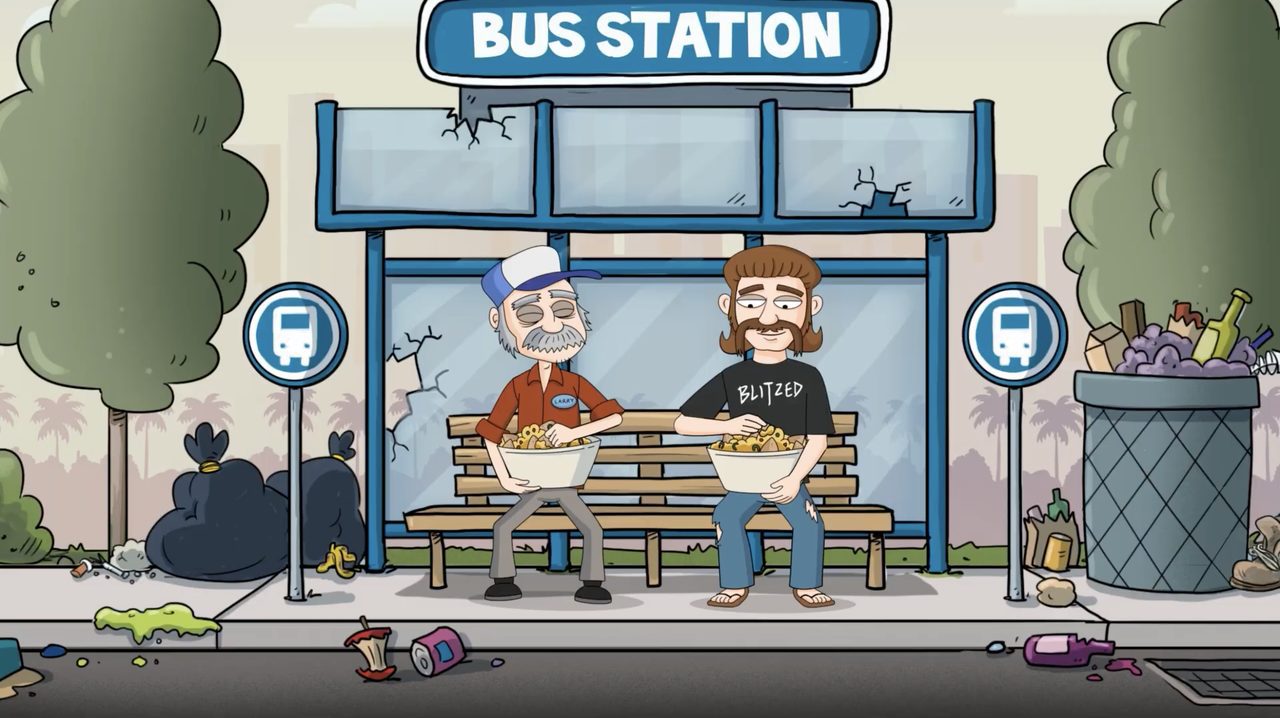
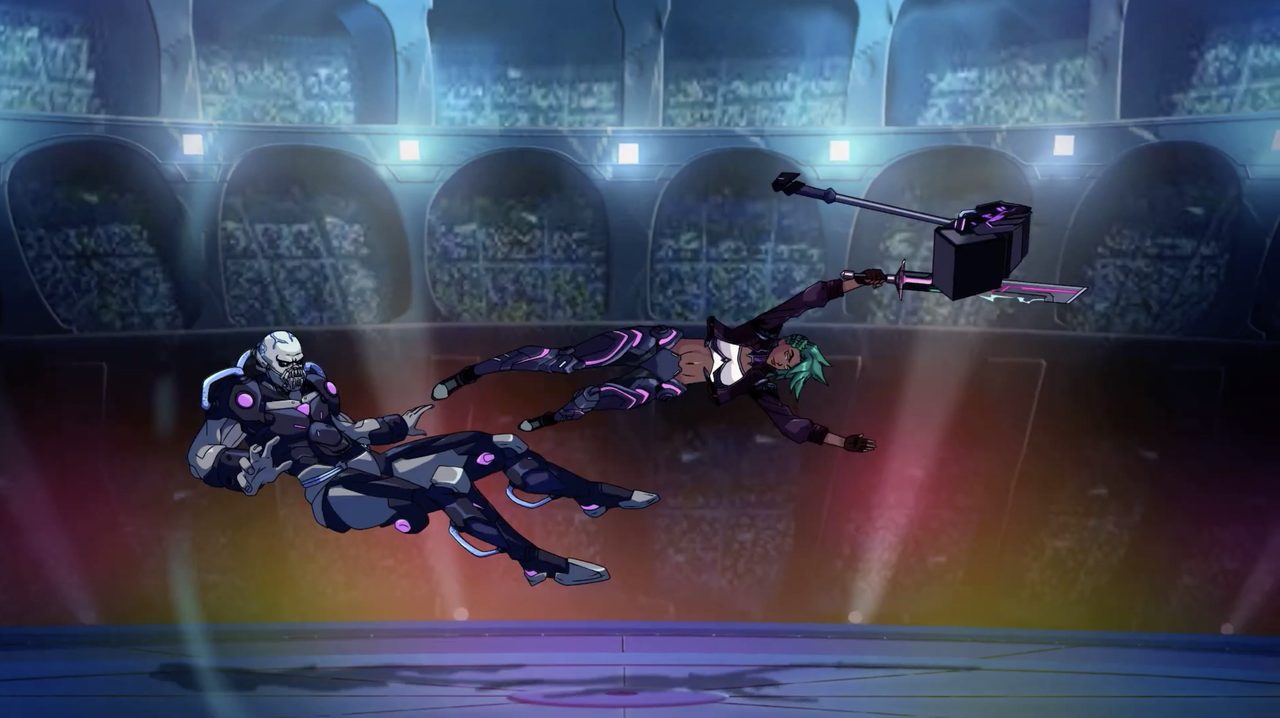
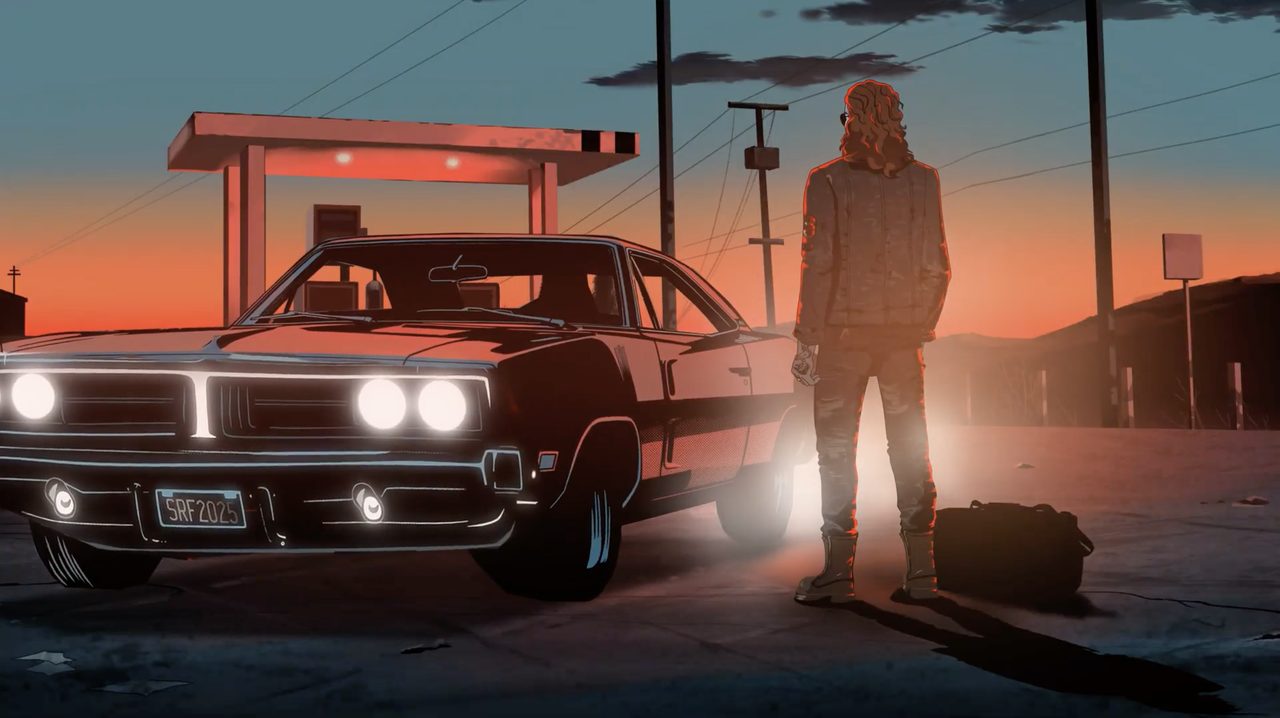
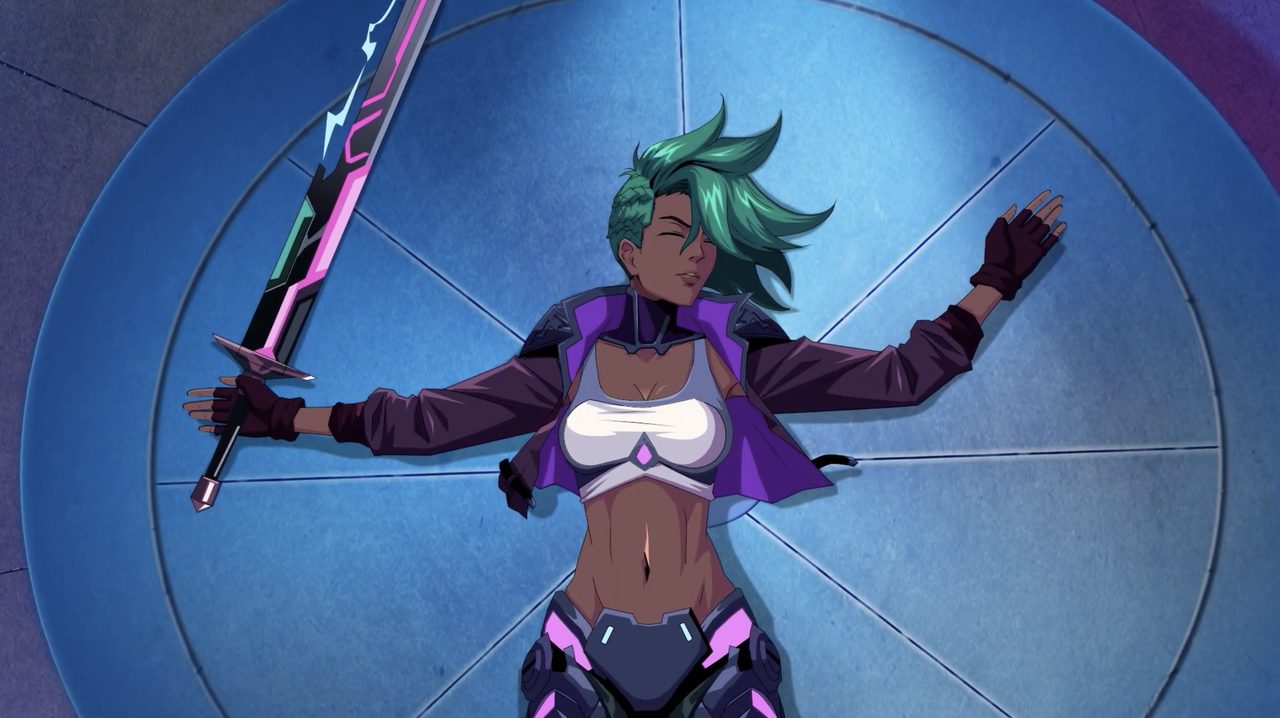
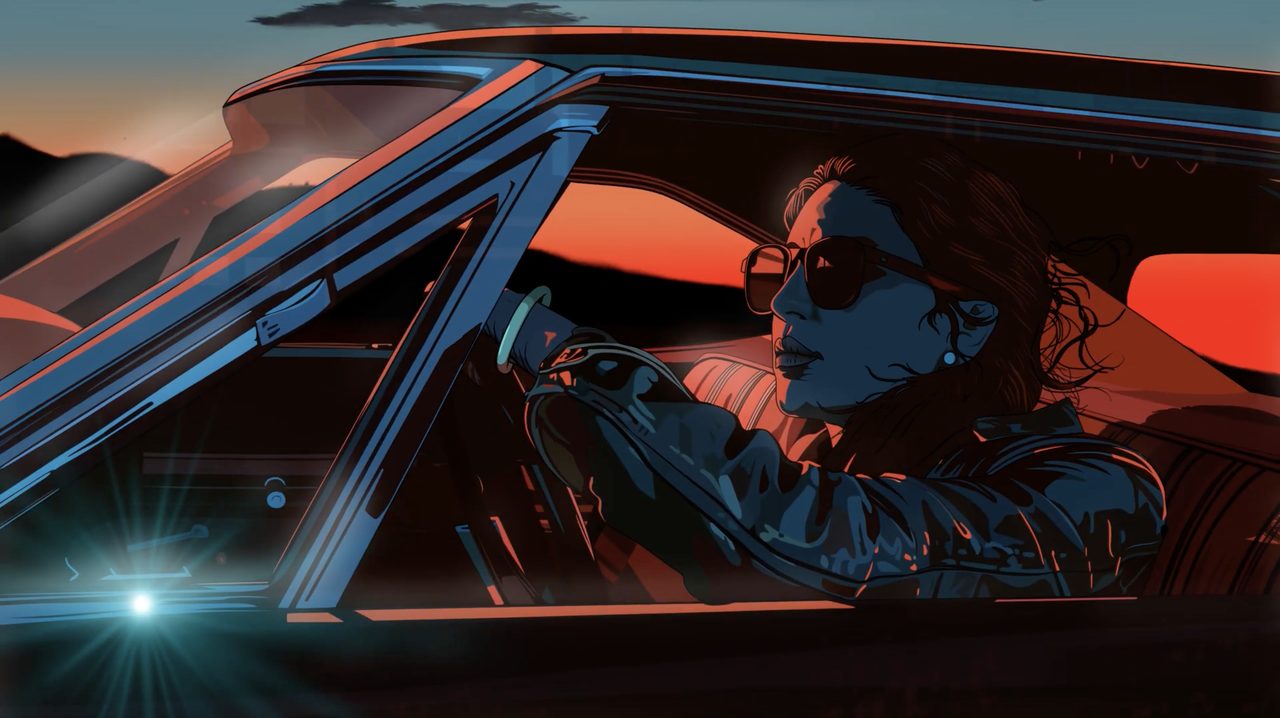
Frame-by-frame anime animation, motion manga PVs, and character animation produced at Magic Motion Studio. Every project hand-drawn. No AI. No shortcuts.
Two production tracks. One manga animation studio.
Motion Manga PV: Animate the Panels
Track A works with the existing manga or webtoon panel artwork. Using Clip Studio Paint and Adobe After Effects, each panel is prepared for motion: layers are separated, depth is added, and camera moves are choreographed. The result is a cinematic promotional video that brings the page to life with zoom, parallax motion, limited character animation, sound effects, and a music sync, without redrawing a single line. Track A is the fastest route from manga to screen, and the most cost-effective format for volume release trailers, crowdfunding campaign videos, convention announcements, and social media content. High-resolution scans or digital exports of the source panels are sufficient to commission Track A; original layered source files are not required.
Full Anime Adaptation: Redraw Frame by Frame
Track B redraws the manga content as entirely new frame-by-frame animation. Characters, backgrounds, effects, and environments are recreated from scratch through the same production pipeline used by professional Japanese anime studios: settei (character design sheets), e-conte (storyboard), animatic, genga (key animation), douga (in-betweening), and shiage (cleanup and color). The output is indistinguishable from original anime production, because it is original anime production, derived from the manga as visual and narrative source material. Track B is the path for streaming platform pitches, crowdfunding campaigns seeking broadcast-quality proof-of-concept, and manga-to-anime full episode production. Source files are not used and not required: the manga is visual reference for new animation assets produced from scratch.
Manga animation studio format comparison
| Format | Track | Runtime | Timeline | Best for |
|---|---|---|---|---|
| Motion Manga PV Track A | Panel animation | 60–90 sec | 4–6 wk | Volume release, social media, crowdfunding |
| Manga Announcement Trailer Track A | Panel animation | 30–60 sec | 3–8 wk | Series launch, convention reveal |
| Manga Opening Animation Track B | Frame-by-frame | 90 sec | 6–10 wk | Anime-style series opener with full animation |
| Webtoon Adaptation Pilot Track B | Frame-by-frame | 5–12 min | 10–18 wk | Streaming pitch, crowdfunding proof-of-concept |
| Full Manga-to-Anime Adaptation Track B | Frame-by-frame | 20–24 min | 16–28 wk | Complete episode for distribution or series pitch |
Webtoon and manga adaptation is now mainstream.
The largest streaming platforms in the world are actively commissioning manga and webtoon animation adaptations. These four case studies demonstrate what professional manga-to-anime adaptation produces, and why independent manga creators and IP owners are pursuing adaptation now rather than waiting.
Solo Leveling
Solo Leveling is a Korean manhwa (originally published as a web novel by Chugong, adapted to manhwa by Dubu at Redice Studio on Naver Webtoon) adapted to anime by A-1 Pictures for worldwide distribution on Crunchyroll. Season 1 premiered January 2024 and broke Crunchyroll premiere records, ranking as the platform's most-watched debut episode of that quarter. Season 2 (Arise from the Shadow) aired January 2025. The adaptation is the clearest recent proof that Korean webtoon and manhwa source material can generate mainstream anime audience scale, and that the visual language of webtoon panels translates directly into broadcast-quality frame-by-frame animation when produced by a specialist studio.
Tower of God
Tower of God (SIU / Naver Webtoon) was one of the first Korean manhwa titles adapted to full frame-by-frame anime by a Japanese studio (Telecom Animation Film) for Crunchyroll's original programming slate in 2020. The production established that manhwa source material, with its long-form vertical scroll panels and detailed world-building and character design, could be adapted to the anime format without loss of visual identity. Season 2 aired in 2024, confirming the adaptation's audience viability. Tower of God's success helped open the pipeline for subsequent manhwa adaptations at Crunchyroll and other platforms, and directly contributed to the platform-level investment in webtoon adaptation deals that followed.
Lookism
Lookism (Park Tae-jun / Naver Webtoon) was adapted to anime by Studio Mir, the Korean studio behind The Legend of Korra and Voltron: Legendary Defender, for Netflix global distribution in 2022. The adaptation demonstrates two things relevant to independent manga and webtoon creators pursuing animation: first, that social-commentary manhwa with realistic character art adapts effectively to the anime format; second, that Korean studios with anime-pipeline capability are now part of the production landscape for webtoon IP owners alongside Japanese animation studios. For independent manga creators, Lookism represents a precedent for social-realist manga content reaching global streaming audiences through full anime adaptation.
LINE Manga x Japanese Studios: 20-Series Initiative
In 2024, LINE Manga (LINE Digital Frontier) announced a platform-level commitment to produce 20 anime series from its webtoon catalog in partnership with Japanese anime production studios. This represents the largest single institutional investment in manga-to-anime adaptation by a digital manga platform. The initiative signals that the pipeline from webtoon publication to anime production has shifted from exceptional deal-making to a structured, repeatable investment category. For independent manga and webtoon creators, this context matters: streaming platforms and major manga publishers are now actively seeking anime-ready IP. A completed Motion Manga PV or full manga animation adaptation pilot produced at professional quality positions an independent creator's IP for this market. See the Variety report on webtoon-to-anime studio partnerships for full detail.
The manga animation studio for creators, publishers, and IP owners.
Every client who commissions a manga animation studio has a specific output goal. These are the six most common use cases for manga animation at Magic Motion Studio, with the production track and related services that apply to each.
Manga Publishers: Volume Release Trailers
Manga publishers releasing new volumes need animated promotional content for YouTube, social media, and retailer pages. A Motion Manga PV uses existing panel artwork from the new volume to produce a 60–90 second animated trailer with camera moves, character motion, sound design, and music, delivered within 4 to 6 weeks to meet a fixed release date. No redrawing required; the publisher provides high-resolution exports of the volume's key pages.
Webtoon Creators: Series Announcement PV
Webtoon and manhwa creators building an audience for a new series use a Motion Manga PV as their series announcement. The PV animates the most visually striking panels from the first arc to give new readers an immediate sense of the series' visual identity and story tone. For vertical-scroll webtoon format, the panel animation is adapted for horizontal video output (16:9 and 9:16 for Shorts/Reels) without cropping key composition. Suitable for both Naver Webtoon and WEBTOON platform creators.
IP Owners: Full Anime Adaptation Pilot
Manga and webtoon IP owners pursuing a streaming platform deal need a completed anime adaptation pilot, not a pitch document or script, but a fully produced episode or short that demonstrates visual quality, character animation, and production consistency at the level platforms evaluate. Magic Motion Studio produces Webtoon Adaptation Pilots (5–12 min, 10–18 weeks) and Full Manga-to-Anime Adaptation episodes (20–24 min, 16–28 weeks) from the same frame-by-frame pipeline used for original anime pilot production. Full IP ownership transfers on final payment.
Crowdfunding Campaigns: Manga PV as Campaign Hero
Kickstarter and Indiegogo campaigns for manga volumes, manga box sets, or manga-based products use a Motion Manga PV as the campaign's lead video. A professionally animated PV signals production quality and creator seriousness at the top of the campaign page, where conversion decisions are made. For campaigns pitching a full manga-to-anime adaptation, a short frame-by-frame pilot (2–5 min, Track B) functions as campaign proof-of-concept, the equivalent of what Under the Dog used to raise $878,000 on Kickstarter for anime pilot production in 2014.
Indie Manga Artists: Portfolio Animation
Independent manga artists building a portfolio or applying for publication deals use a Motion Manga PV to demonstrate their world and characters in motion, giving publishers and agents a richer understanding of the IP than static panel pages alone convey. A 60-second Motion Manga PV from the most characterful chapter of your manga, produced within 4 to 6 weeks, is the most time-efficient format for this purpose. It can also serve as a YouTube or TikTok video to build audience before or during a crowdfunding campaign.
Game Studios: Manga-Style Promotional Video
Game studios releasing manga-adjacent or anime-style titles use manga animation to promote the game's world to anime audiences before and during launch. A Motion Manga PV in the art style of the game's manga tie-in or visual novel reaches manga and webtoon audiences on YouTube, Crunchyroll pre-roll, and social media. For game studios with an existing manga tie-in or manga-style art direction, the PV uses the manga panels as source material, with no additional art production required from the game studio. Delivery formats include 16:9, 9:16, and 1:1 for all major platform placements.
Two production tracks. Every manga animation built to spec.
Magic Motion Studio operates two distinct production pipelines for manga animation. Track A is the motion manga pipeline for animating existing panels. Track B is the full frame-by-frame anime pipeline for complete manga-to-anime adaptation. Both tracks result in 100% IP transfer on final delivery.
Brief and Source Art
You provide the project brief (target audience, distribution platform, deadline, creative direction) and the source manga panels in high-resolution scan or digital export format. Layered source files are not required; high-resolution exports from Clip Studio Paint, ComicStudio, or scanned print pages at 600dpi are sufficient. Panel selection is confirmed at this stage: which pages or chapters will be animated, which characters will receive limited motion work, and which panels are reserved for title card or transition use. A written production quote is returned within 24 hours covering scope, timeline, and deliverables.
Panel Selection and Sequence Layout
The selected manga panels are prepared for animation in Clip Studio Paint and Adobe After Effects. Each panel is separated into foreground, midground, and background layers to enable parallax depth. Characters and objects that will receive limited animation motion (blinking eyes, hair movement, breath cycle, speed lines) are isolated on their own layers. The sequence is laid out in After Effects as a rough cut timed to the music or sound reference, establishing camera move durations, pan speed, cut timing, and the PV's overall pacing before any final rendering work begins. This layout is presented for written client review before animation and compositing proceed.
Motion Design and Sound Effects
Camera moves, zooms, and parallax animations are applied to each panel based on the approved layout. Limited character animation (isolated to eyes, hair, cloth, and secondary motion) is drawn frame by frame in Clip Studio Paint and imported as animation layers. Speed lines, impact effects, and atmospheric overlays (dust, light rays, rain) are produced as compositing elements in After Effects. Sound effects are sourced and sync-edited to match action beats: impact sounds, atmospheric ambience, character motion sounds. All motion elements are composited with the approved panel layers in After Effects.
Color Grading, Music Sync, and IP Transfer
The final composite is color graded to match the manga's tonal palette, adjusting contrast, shadow depth, and highlight intensity to ensure the animated output feels continuous with the source panel art. The music track is mixed with sound effects and any voiceover or title card audio. The completed Motion Manga PV is delivered at 1080p and 4K in H.264 MP4 format, with platform-specific exports for YouTube (16:9), Instagram Reels (9:16), and square format (1:1) included. Full IP ownership of all animation, motion effects, and compositing transfers to the client on final payment. Source After Effects project files are transferred on request.
Brief and Settei
The manga is reviewed for character design, world-building, and visual language. Settei sheets are produced for every character appearing in the adaptation: front, three-quarter, side, and back turnarounds; expression sheets; and costume detail sheets. World settei covers key environments and props. Character designs from the manga are translated into animation-ready model sheets that key animators can draw to consistently across every frame. Settei approval is required before storyboard begins.
E-conte: Storyboard
The e-conte adapts the manga's panel sequence into a shot-by-shot storyboard for animation, converting static page composition into camera angles, character positioning, and cut pacing. Where the manga's panel composition translates directly to an effective camera angle, it is used as-is. Where the page composition does not work in motion (close-up text-heavy panels, wide establishing shots that require environment detail beyond the panel), new shots are designed. Two rounds of storyboard revisions are included before animatic begins.
Animatic
The e-conte is assembled as a timed sequence against the music and voiceover reference, producing a moving storyboard at the exact runtime of the final adaptation. The animatic confirms cut timing, runtime accuracy, and structural pacing before any frame-by-frame animation begins. Structural changes (scene additions, sequence reordering, timing adjustments) are free at this stage. After written animatic approval, the manga animation adaptation moves into production. Changes after this point affect timeline and scope.
Genga: Key Animation
Genga is the key animation stage, the core drawings of every cut, produced in Clip Studio Paint. Key animators draw the most expressive and important frames: starting position, peak action, and ending position of every movement. Animation is drawn on ones (24fps) for action sequences, on twos (12fps) for standard character movement, and on threes (8fps) for atmospheric shots, matching the frame rate mix used in professional Japanese anime production. Rough genga is delivered for written client review before in-betweening begins.
Douga and Shiage
Douga produces in-between drawings filling the frames between approved rough genga keys. In-betweens follow the key animator's arc exactly. After in-betweening, shiage performs cleanup: rough construction lines are removed, line weight is finalized, and character consistency is verified against the settei sheets. Smear frames, impact frames, and secondary action on hair and clothing are added. Color is applied across all animation frames using the approved palette: flat colors, shadow layers, and gradient tones matching the manga's visual style.
Backgrounds, Compositing, Sound, and IP Transfer
Background environments are painted in Clip Studio Paint and Procreate, maintaining the manga's original visual language in the transition from static panels to painted animation backgrounds. All animation, background, and effects layers are composited in Toon Boom Harmony. Sound design, voiceover, and music are synced to the final composite. Delivered at 1080p and 4K in H.264 and ProRes. Platform exports for Crunchyroll, Netflix, YouTube, Kickstarter, and festival submission formats are included. Full IP ownership transfers on final payment.
The manga animation studio built for two tracks. One specialist pipeline.
A Specialist Manga Animation Studio: Not a Generalist With Manga Listed
Zozrus Studio is a generalist animation studio that lists manga animation among commercial, educational, and whiteboard animation services. Manga is one of many styles available, not a dedicated pipeline. CATACI is a Japan-based brokerage that connects clients with existing Japanese animation studios; it does not operate its own manga animation production pipeline and cannot commission work directly without routing through a third-party studio. Pixune Studios is a Poland-based studio specializing in 3D game art and character design with anime-style output; it does not operate a manga source material pipeline or a two-track motion manga and frame-by-frame adaptation system. Magic Motion Studio is purpose-built for manga animation: both Track A (panel animation) and Track B (full frame-by-frame adaptation) are supported by the same dedicated production infrastructure. Manga creators and IP owners are the primary client, not one use case among many.
Both Production Tracks Under One Roof: Motion Manga and Full Adaptation
No other studio competing for manga animation studio searches operates both Track A (Motion Manga PV, animating existing panels) and Track B (Full Manga-to-Anime Adaptation, redrawing frame by frame) as a unified pipeline for the same client and IP. The practical consequence: a manga creator who starts with a Motion Manga PV for a crowdfunding campaign can scale to a full frame-by-frame adaptation pilot with the same studio, the same team already familiar with the source IP, the same character design language, and no handoff cost between pipeline stages. Most studios operate one track or the other, and not as a designed progression for a single creator's IP. Magic Motion Studio operates both tracks by design, because both production formats are tools for the same underlying goal: turning a manga or webtoon IP into a professional-quality animated asset.
Full IP Ownership: No Co-Production, No Licensing, No Production Committee
The traditional Japanese production committee (seisaku iinkai) model requires manga IP owners to cede partial ownership of their IP to co-production partners: publishers, toy companies, streaming platforms, and animation studios collectively, in exchange for production funding. Independent manga creators and webtoon IP owners who work with Magic Motion Studio retain 100% of their intellectual property throughout and after production. Every manga animation delivered here, whether a Motion Manga PV or full frame-by-frame adaptation, transfers complete IP ownership to the client on final payment. No licensing agreements, no royalty clauses, no co-ownership arrangements, no usage restrictions. You own the manga. You own the animation. You own everything produced from the animation. Your series pitch to Netflix, your Kickstarter campaign, your YouTube channel, your merchandise licensing. All of it remains entirely yours without further engagement with this studio.
Manga animation studio questions answered.
Start your manga animation studio project today.
Motion Manga PVs, full manga-to-anime adaptations, and webtoon adaptation pilots. Both production tracks. 100% IP ownership. Written quote within 24 hours.