
Every frame hand-drawn. Zero rigs. Zero AI. Pure anime.
A specialist frame-by-frame anime animation studio. No puppet rigs, no motion capture, no AI generation. Every drawing made by hand through the full genga, douga, and shiage pipeline. Original series, game trailers, anime openings, music videos, and VTubers. Full IP transfer on delivery.
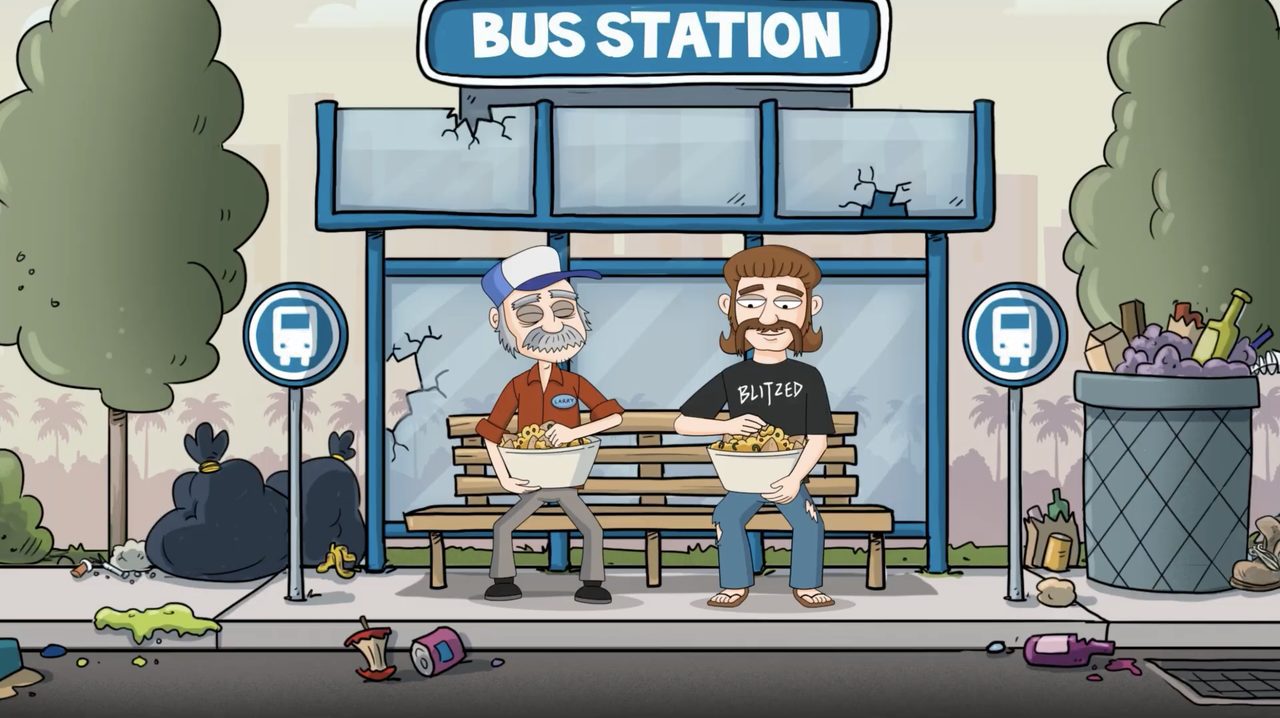
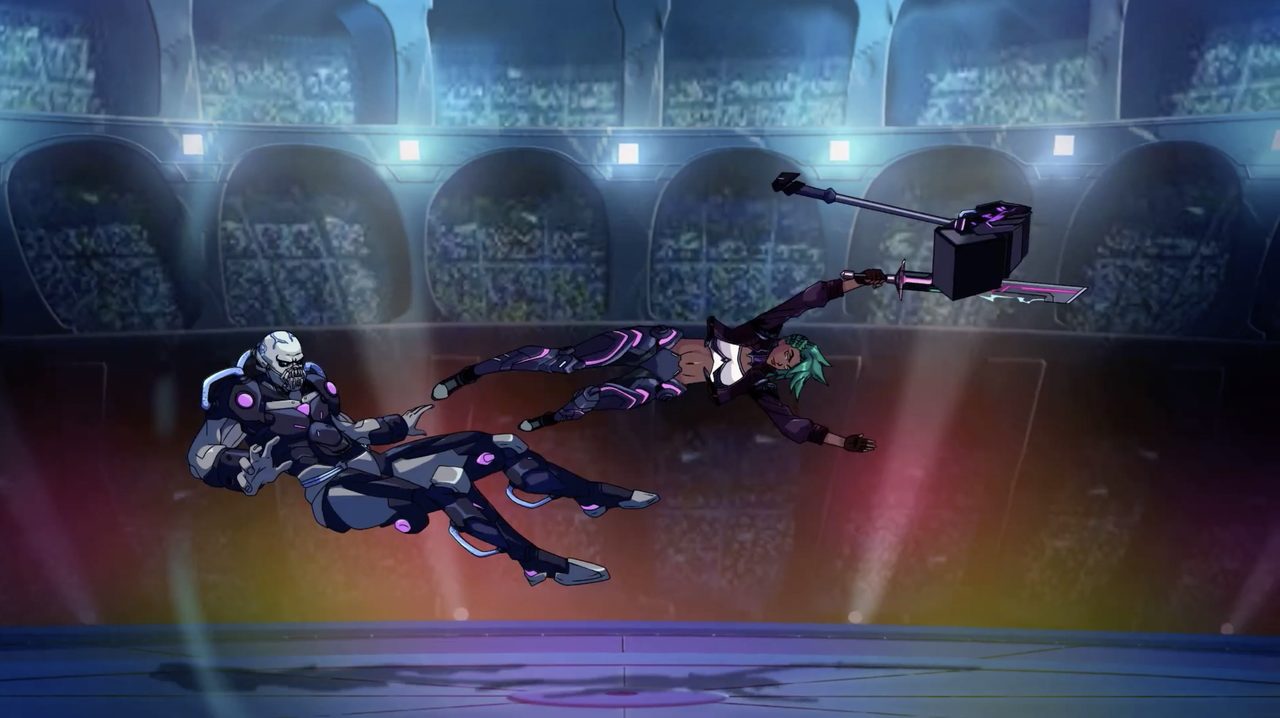
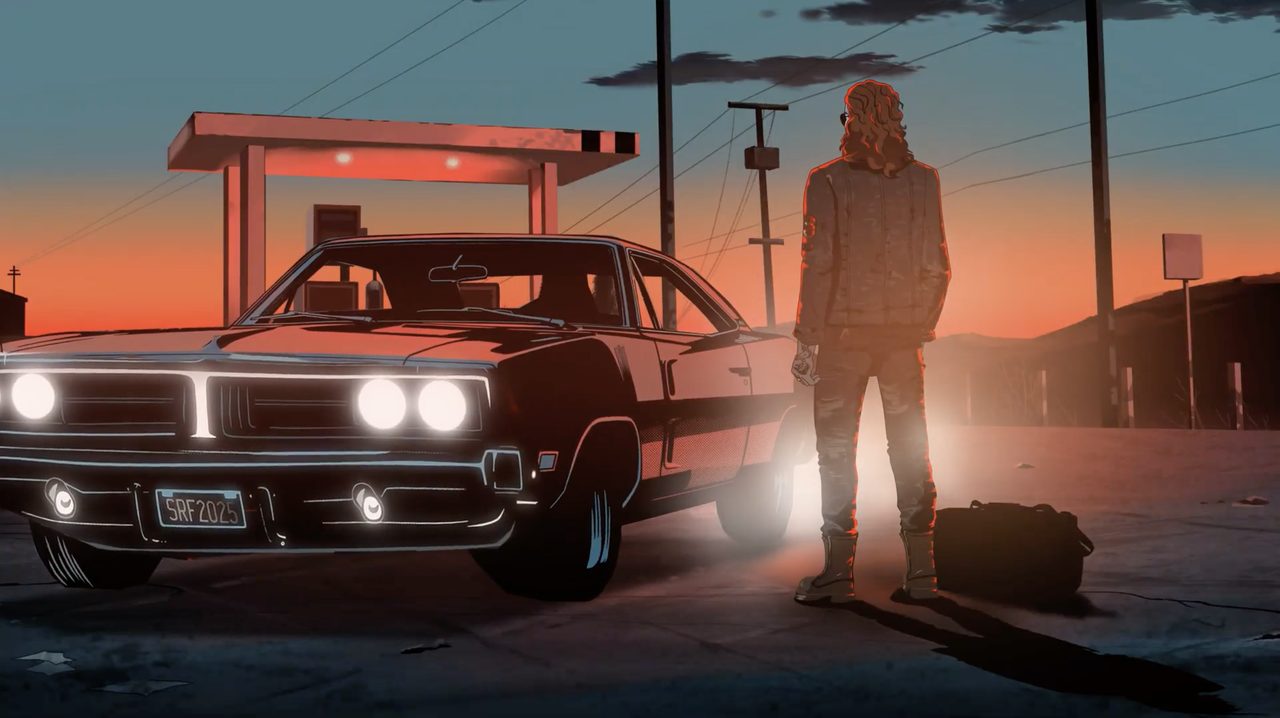
beautifully.
All animation. One studio.
beautifully.
All animation. One studio.
Watch our anime animation studio work.
Frame-by-frame anime animation, motion manga PVs, and character animation produced at Magic Motion Studio. Every project hand-drawn. No AI. No shortcuts.
Every frame redrawn by hand. That is the only way anime works.
The key animation pipeline: genga and douga
Professional anime production uses a two-stage hand-drawn pipeline drawn from the Japanese industry standard. The first stage is genga (原画): rough key animation. A key animator draws the most important frames in a movement: the start position, the peak of action, and the end position. These are the frames that contain the creative direction of the scene. Genga drawings are rough and expressive, with precision coming later.
The second stage is douga (動画): in-betweening. In-between animators fill the frames between the genga keys, completing the arc of motion. The in-betweens follow the key animator's intent exactly. At 12 drawings per second, a 5-second cut requires approximately 60 unique drawings: around 8 to 12 genga keys and 48 to 52 douga in-betweens. This is why frame-by-frame anime animation production timelines are measured in weeks, not hours.
Magic Motion Studio follows this two-stage pipeline on every project. Rough key animation is produced first and delivered for written approval. In-betweening, cleanup, and color are completed after the keys are locked. This means clients see and approve the creative direction before the majority of production labor begins.
Why "on twos" is the anime standard: and when to go faster
Anime is predominantly animated on twos, producing 12 unique drawings per second in a 24fps playback environment. This is not a budget compromise. It is a deliberate stylistic choice established across decades of Japanese animation production. The slight choppiness that on-twos creates at 24fps is part of the visual language of anime. Audiences do not perceive it as low quality; they perceive it as anime.
Action sequences requiring extreme speed (a sword draw, a punch connecting, an explosion) are typically animated on ones (24 drawings per second) for those specific cuts, then returned to twos for the surrounding frames. Slow, atmospheric scenes (a character sitting still, wind moving through foliage, a city street from distance) are animated on threes (8 drawings per second) or with held drawings. A professional anime production blends all three frame rates within the same sequence to create contrast and control the audience's perception of time and speed.
Why rigged animation cannot produce authentic anime.
Rigged or puppet animation is a legitimate technique for many animation styles. It is structurally incapable of producing authentic anime. These are not opinion claims. They are technical limitations of how rigged systems work versus what frame-by-frame drawing makes possible.
| Technique / Quality | Frame-by-Frame Anime Animation | Rigged / Puppet Animation |
|---|---|---|
| Smear frames | ✓Drawn on specific fast-action frames. Creates illusion of extreme speed invisible to conscious perception. | ✗Impossible. The rig interpolates between poses, so no individual frame can contain a smear drawing. |
| Impact frames | ✓Single-frame exaggerated drawings inserted at the moment of collision. Creates visceral hit feeling specific to anime. | ✗Not achievable. Impact frames require a unique drawing inserted for 1 to 2 frames. Rigs do not work at the individual frame level. |
| Secondary action | ✓Hair, clothing, and soft tissue move independently on separate drawing layers with their own timing and weight. | ✗Constrained by rig construction. Secondary motion driven by simulation or manually keyed, never the organic overlap of drawn secondary action. |
| Overlapping action | ✓Different body parts arrive at their final position at different frames. Created at the drawing level, natural and character-specific. | ✗Limited to what the rig allows. Overlapping action in rigged systems requires extensive manual keyframing that approximates what drawing produces naturally. |
| Holds (static pose with motion) | ✓A held pose keeps the character still while secondary elements (hair, coat) continue moving, drawn on separate layers at different frame rates. | ✗A held frame in a rigged system freezes everything. Simulated secondary motion on a held rig rarely reads correctly at the animation quality standard anime audiences expect. |
| Texture and linework variation | ✓Line weight, shape, and texture vary between frames at the animator's discretion, creating the organic quality of hand-drawn art. | ✗Identical line art assets are reused across all frames. The rig's visual components do not vary. Only their position changes. |
| Squash and stretch | ✓Applied at the drawing level with full control over volume, shape distortion, and timing specific to each character's design. | ✗Possible but limited. Squash and stretch in rigged systems requires extra bones or shape keys and rarely achieves the natural look of drawn squash-stretch. |
| Recognizable as anime | ✓Anime audiences identify the visual quality immediately. Frame-by-frame is the only technique that produces the movement signature of professional anime production. | ✗Rigged animation is immediately recognizable as not-anime by any viewer who watches anime regularly. The movement quality is structurally different. |
The speed illusion only drawing can create
A smear frame is a single-frame drawing inserted during a fast action where the character's body is deliberately stretched or blurred between two positions. It exists for only 1 to 3 frames, too fast for conscious perception but fast enough to communicate extreme speed. Smear frames are hand-drawn to reflect the specific motion of that character in that scene. They cannot be generated by a rig or automated by software. Their presence is what makes anime action sequences feel physical and fast.
The moment of collision made visible
An impact frame is a single or double-frame exaggerated drawing inserted at the exact moment a hit, explosion, or collision occurs. It shows a deformed or abstracted version of the character or object at peak impact: spikes radiating from the collision point, a face compressed on contact, a body registering force before any visible movement. Impact frames are 1 to 2 frames long and require a unique drawing. They are the reason anime fight sequences feel heavy where equally fast rigged animation sequences feel weightless.
Hair, cloth, and weight moving independently
In frame-by-frame anime animation, a character's hair, loose clothing, scarves, and soft tissue are drawn on separate layers with their own timing, delayed slightly from the primary body movement. When a character turns their head, the hair continues moving for 2 to 3 frames after the head stops. This overlapping secondary action is drawn frame by frame at the animator's discretion, calibrated to the weight and material of each element. It is what makes anime characters feel like they have mass and exist in physical space.
Organic line variation across frames
Because every frame is a new drawing, line weight, character shape, and surface texture vary slightly from frame to frame in hand-drawn anime animation. This variation is subtle but cumulative: over 12 drawings per second, it creates the organic quality that distinguishes hand-drawn animation from digital art held in place. Audiences do not consciously notice individual frame texture variation. They experience the overall effect as warmth, expressiveness, and craft. A clean digital rig produces identical line art on every frame regardless of action, which reads as sterile by comparison.
Still character, moving world
Anime frequently uses held poses, where a character is static while the environment, clothing, or hair continues moving around them. In frame-by-frame production, the character's body is a held drawing while secondary elements (wind-blown hair, a moving coat hem, smoke rising in the background) continue animating on separate layers at their own timing. The held character feels heavy and deliberate. In a rigged system, a held pose freezes all rig components simultaneously unless secondary motion is separately simulated, which typically produces results anime audiences identify as incorrect.
Speed control at the drawing level
Frame-by-frame anime animation allows timing to be controlled at the level of individual drawings. An animator can hold a frame for 3 frames, jump to a new position in 1 frame, hold for 2, then ease out over 6, all at the drawing level, without interpolation curves. This timing control creates the staccato, rhythmic quality of anime motion that rigged animation, which interpolates between keyframes algorithmically, cannot achieve. The difference is most visible in character acting: anime characters move with intention; rigged characters move with physics.
Every project where anime quality is the point.
Frame-by-frame anime animation is the right production method for any project whose target audience watches anime and will immediately identify rigged or AI-generated animation as not anime.
Original Anime Series
Frame-by-frame anime animation is the only production method for original series targeting anime audiences on YouTube, streaming platforms, or at festivals. Every scene with character movement, dialogue, action, or emotional acting requires hand-drawn key animation on twos. Atmospheric or wide shots may use held drawings with animated secondary elements. See our anime pilot production service for full episode scope and delivery.
Anime Opening Animations
An anime opening animation is the most technically demanding frame-by-frame project type. A 90-second OP requires approximately 1,080 unique hand-drawn frames at 12fps, with action sequences drawing on ones for peak impact moments. Every shot is timed against the music at the frame level. Key animation, in-betweening, background art, and compositing are all produced to the standard expected by audiences who compare every OP they watch to Demon Slayer and Jujutsu Kaisen.
Game Anime Trailers
Game studios producing anime-style titles use frame-by-frame anime animation for announcement trailers, character reveals, and game launch campaigns. A game anime trailer produced with rigged animation is identified immediately by the audience it is trying to reach. Frame-by-frame production is what separates game anime trailers that circulate through anime fandom channels from ones that circulate only through game marketing channels. See our anime trailer production page for game-specific delivery formats.
VTuber Animation
VTubers commissioning debut animations, lore trailers, and milestone releases need frame-by-frame anime animation when the content involves character movement, action, or acting. A Live2D model or rigged avatar serves the streaming format. For produced animated content (a debut trailer, a narrative lore video, a birthday animation), frame-by-frame production delivers quality that reads as professional anime rather than avatar animation. See our VTuber animation studio page for full VTuber-specific scope.
Anime Music Videos
Anime music videos (AMVs) produced as original animation (not fan edits of existing footage) require frame-by-frame animation for every character movement sequence. A frame-by-frame anime music video typically combines action cuts (on ones), character acting (on twos), and environmental holds (on threes) across its runtime, with all timing locked to the music track. See our dedicated anime music video production page for AMV-specific scope, runtime options, and delivery.
Manga and Webtoon Adaptation
Adapting a manga or webtoon to animation requires frame-by-frame production for any scene involving character acting, movement, or action. The visual language of manga panels (dynamic poses, expressive faces, speed lines) only translates correctly to animation through hand-drawn frame-by-frame production. Motion Manga PV techniques (animating existing panels without drawing new frames) are available as a cost-efficient alternative for trailers, but full adaptation sequences require the complete frame-by-frame pipeline. See our manga animation studio page for full scope options.
6 stages. Every frame drawn by hand. Ships on deadline.
The frame-by-frame anime animation pipeline at Magic Motion Studio follows the Japanese key animation production structure, adapted for independent IP owners, game studios, and creators working without an in-house animation team. Fully async. No calls required.
Brief, Character Sheets, and Reference
You submit a project brief covering your project type, characters, world, tone, target platform, and any hard deadlines. Character reference sheets or existing designs are required before rough key animation begins, as frame-by-frame animation cannot be produced to a consistent model without approved character turnarounds. If you do not have existing character designs, character design is offered as a preceding service. A written quote with production scope, timeline, and deliverables is returned within 24 hours of brief receipt.
Written quote within 24 hours.Storyboard and Animatic
A full shot-by-shot storyboard is produced showing camera angles, character positions, and action for every cut. The storyboard is then assembled into a timed animatic against your music track or sound reference. The animatic shows exact cut timing before any frame-by-frame animation is drawn. This is the last checkpoint for structural changes. Scene additions, reordering, or timing adjustments are made here at no cost. Frame-by-frame animation begins only after written animatic approval.
Last checkpoint for structural changes before animation begins.Rough Key Animation
Rough key animation is drawn in Clip Studio Paint. The key animator draws the most expressive and important frames in each cut: the starting position, peak action, and ending position of every movement. These are the frames that contain the creative direction of the scene: a character's weight, their personality, the arc of a sword swing, the timing of a glance. Rough keys are produced at the frame rate specified for each cut: ones for fast action, twos for standard movement, threes for slow or atmospheric shots. Rough keys are delivered for written review before cleanup begins.
In-betweening and Cleanup
In-between drawings are produced in Clip Studio Paint to fill the frames between the approved rough keys. In-betweens follow the key animator's arc exactly: they complete the motion curve rather than reinterpreting it. After in-betweening, all frames undergo cleanup, where rough construction lines are removed, line weight is finalized, and character model consistency is checked against the approved design sheets. Smear frames, impact frames, and secondary action are added at the cleanup stage. A second quality pass confirms frame count, timing, and visual consistency before color production begins.
Color, Background Art, and Effects
Color is applied to all animation frames against the approved color design, including flat colors, gradients, and shadow layers. Background environments are painted in Clip Studio Paint and Procreate to match the animation's perspective, lighting, and palette. Atmospheric effects (speed lines, impact effects, light flares, particle effects) are added on separate layers for compositing. All color and background assets are produced at 1080p or 4K to match the final delivery resolution.
Compositing, Sound Sync, and IP Transfer
All animation layers, background art, and effects are composited in Toon Boom Harmony. Music or sound design is synced to the final composite. The final render is reviewed against the animatic for timing accuracy. Delivery is at 1080p or 4K in H.264 MP4 and ProRes formats. Platform-specific exports for YouTube, streaming platforms, and convention screens are included. Source files (Toon Boom Harmony, Clip Studio Paint) are transferred on request. Full intellectual property ownership transfers on final payment.
Rush delivery available for fixed launch and convention deadlines.Frame-by-frame only. No substitutes.
An Anime-Only Studio Running the Full Pipeline
Every competitor ranking for frame-by-frame animation searches is a generalist commercial studio. Split Arts Studio, Anideos, Animation Iconic, and AFX Animators produce frame-by-frame animation for brands, commercials, and explainer videos, primarily as a style option alongside motion graphics, whiteboard, and 3D. None operate a dedicated anime frame-by-frame pipeline. None use Clip Studio Paint and Toon Boom Harmony as their primary production tools. None can produce smear frames, impact frames, or the secondary action that anime audiences identify as professional quality. Magic Motion Studio produces only anime.
The Same Tools Used by Professional Anime Studios
Clip Studio Paint is used for frame-by-frame key animation production at Toei Animation, OLM Asia (Pokémon), and Yostar Pictures (Arknights). Toon Boom Harmony is the industry-standard compositing and animation software used in professional animation pipelines worldwide. These are not consumer tools selected for convenience. They are the production tools that produce the line quality, frame behavior, and compositing capability that anime audiences recognize at a glance. No other tool combination produces the same output.
Full IP Ownership. No Exceptions.
Full intellectual property ownership transfers to the client on final payment on every frame-by-frame anime animation project this studio delivers. No licensing agreements, attribution requirements, royalty clauses, or usage restrictions of any kind. The animation is yours to broadcast, sublicense, pitch to distribution partners, or use commercially without further engagement with this studio. Working source files (Toon Boom Harmony and Clip Studio Paint project files) are transferred on request.
Frame-by-frame anime animation questions answered.
Start your frame-by-frame anime animation today.
Every frame hand-drawn. Genga to compositing. Full IP ownership on delivery. Written quote within 24 hours.